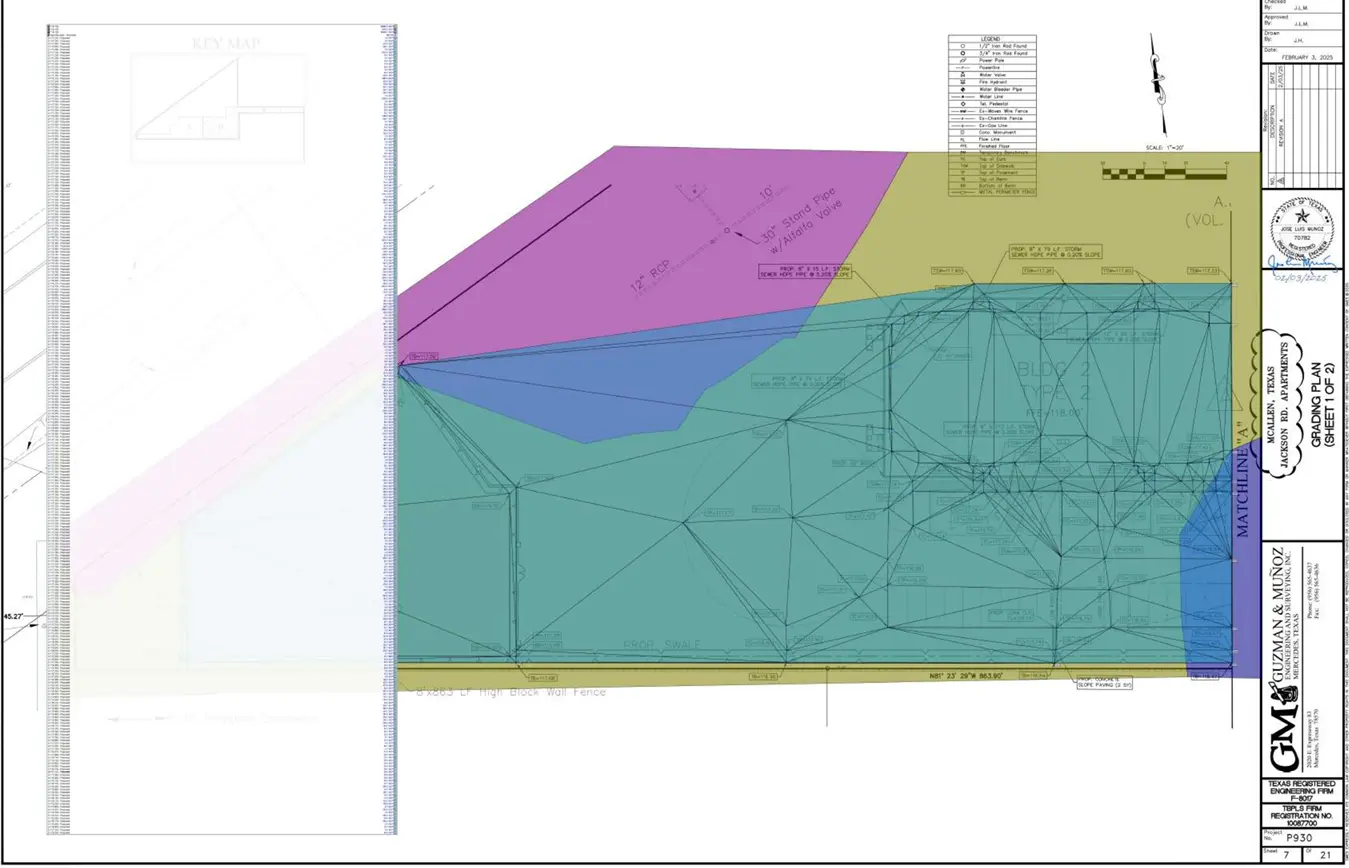
MEP Estimating in Austin, TX
Mechanical, electrical, and plumbing estimated as a coordinated system - because that's how it gets installed. Tailored to Travis County requirements.
Our Coordinated MEP Estimating Approach
Our MEP estimating services price mechanical, electrical, and plumbing as a coordinated system, not three separate takeoffs stapled together because that's closer to how the systems actually get installed, and it's where the real cost risk lives.
What's Included in an MEP Estimate
- Mechanical HVAC equipment, ductwork, piping, refrigeration, and controls, quantified by system type and capacity, not a flat square-footage rate.
- Electrical service and distribution, panels, conduit and wire, lighting, and low-voltage rough-in, priced by circuit and load, not linear footage alone.
- Plumbing water supply, drainage, venting, gas piping, and fixtures, quantified against the actual fixture count and pipe sizing shown in the drawings.
- Coordination flags where mechanical, electrical, and plumbing routing compete for the same space, we flag it in the estimate rather than letting it surface as a field conflict during rough-in.
Each system gets its own detailed takeoff. If you only need one trade priced say, an electrical package for a sub-bid see our dedicated Electrical Estimating Services, Plumbing Estimating Services, or Mechanical Estimating Services pages. This page is for when you need all three priced together and coordinated as one system.
Why MEP Estimating Is Its Own Discipline
A general contractor's takeoff treats MEP as a subcontractor's scope to be priced and dropped into the overall budget. That works fine until the mechanical, electrical, and plumbing subs bid independently, each assuming they have priority in the ceiling space, and the GC finds out mid-construction that the ductwork and the sprinkler main were never going to fit in the same 18 inches. Pricing MEP as a coordinated estimate up front rather than three disconnected sub-bids is what catches that before it becomes a field problem.
It also means the estimate reflects how MEP systems actually get sized. HVAC load isn't just square footage; it's building orientation, occupancy, and envelope performance. Electrical service size depends on total connected load across every system, including the mechanical equipment. An estimator working all three trades together prices those dependencies correctly instead of guessing at each one separately.
MEP by Project Type
Commercial. Office, retail, and mixed-use MEP scope, sized to occupancy type and tied to the ASHRAE load calculations that drive equipment sizing and, in turn, cost.
Residential. Single-family and multifamily HVAC, electrical service, and plumbing rough-in and finish, scaled to unit size and system tier (standard builder-grade through high-efficiency/luxury).
Industrial. Heavier electrical distribution (high-voltage service, motor control centers), process piping, and mechanical systems built around equipment loads rather than occupant comfort see our Industrial Construction Estimating Services page for how that scope differs further.
Software and Standards
MEP takeoffs are built using Bluebeam, Planswift, and trade-specific tools including FastPIPE and FastDUCT, priced against RSMeans and current Texas labor and material rates. Estimates are checked against the National Electrical Code (NEC), International Plumbing and Mechanical Code requirements, and ASHRAE standards where load calculations drive equipment selection so the numbers reflect code-minimum requirements at a minimum, not just a materials list.
The Austin Market: What Changes Your MEP Estimating Estimate
Austin Construction Market Overview
Austin's construction market has been supercharged by the tech boom, leading to a surge in commercial office space, high-density residential towers downtown, and luxury custom homes in the Hill Country. The market is characterized by high demand, premium pricing, and a strong emphasis on sustainability and design.
Building in Austin presents unique estimating challenges: building into the rocky limestone of the Hill Country requires specialized excavation; strict environmental regulations protect the local watershed; and traffic congestion affects material delivery and labor productivity.
Austin Permitting & Green Building
The City of Austin Development Services Department is known for having some of the strictest building codes and longest review times in Texas. Austin's Energy Conservation Audit and Disclosure (ECAD) ordinance and the Austin Energy Green Building (AEGB) ratings significantly impact construction costs. Our estimates account for these premium environmental compliance costs, heritage tree protection, and the often-lengthy permitting timeline.
Our MEP Estimating Process for Austin Projects
We evaluate the plans for each discipline (M, E, P) and identify where systems intersect or drive sizing for one another.
Quantification of all equipment, piping, ductwork, conduit, wire, and fixtures.
We flag potential clashes (e.g., ductwork and plumbing in the same chase) that could cause change orders.
We apply current Texas labor and material rates to deliver a unified MEP estimate.
Frequently Asked Questions: MEP Estimating in Austin
Do you estimate MEP as one combined package or three separate trades?
Both, depending on what you need. A combined estimate is priced with coordination in mind flagging where systems compete for space while a single-trade estimate is scoped independently if that's all you're bidding.
How does MEP estimating account for coordination between trades?
We flag areas where ductwork, conduit, and piping routes overlap based on the drawings, so the estimate reflects realistic installation sequencing rather than each trade being priced as if it has the ceiling space to itself.
Do you estimate rock excavation for Austin Hill Country projects?
Yes. A critical part of any Austin-area estimate is evaluating the geotechnical report. If limestone is present, we calculate specific rock excavation volumes, which carry significantly higher costs than standard soil excavation.
Sample Projects Across Texas
Recent takeoffs and estimates delivered for Texas contractors.
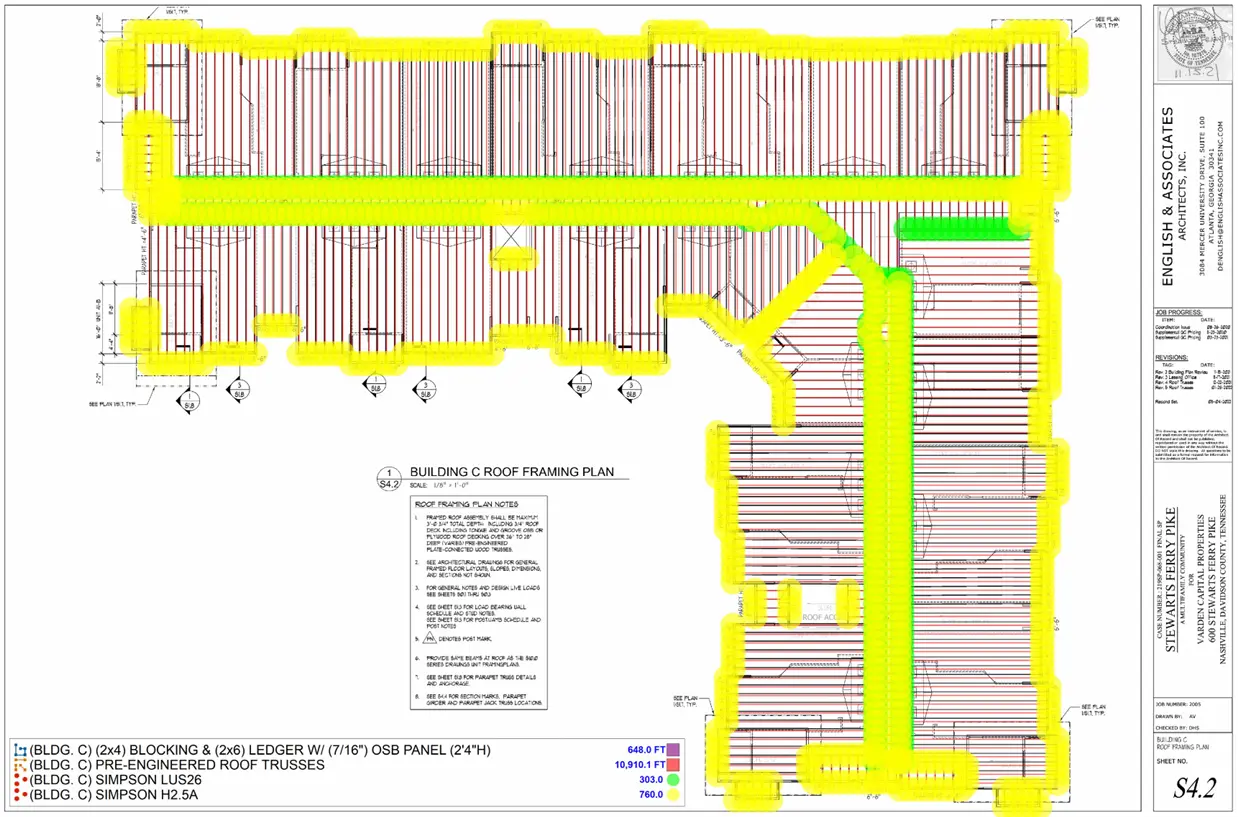
Custom Home Lumber Package
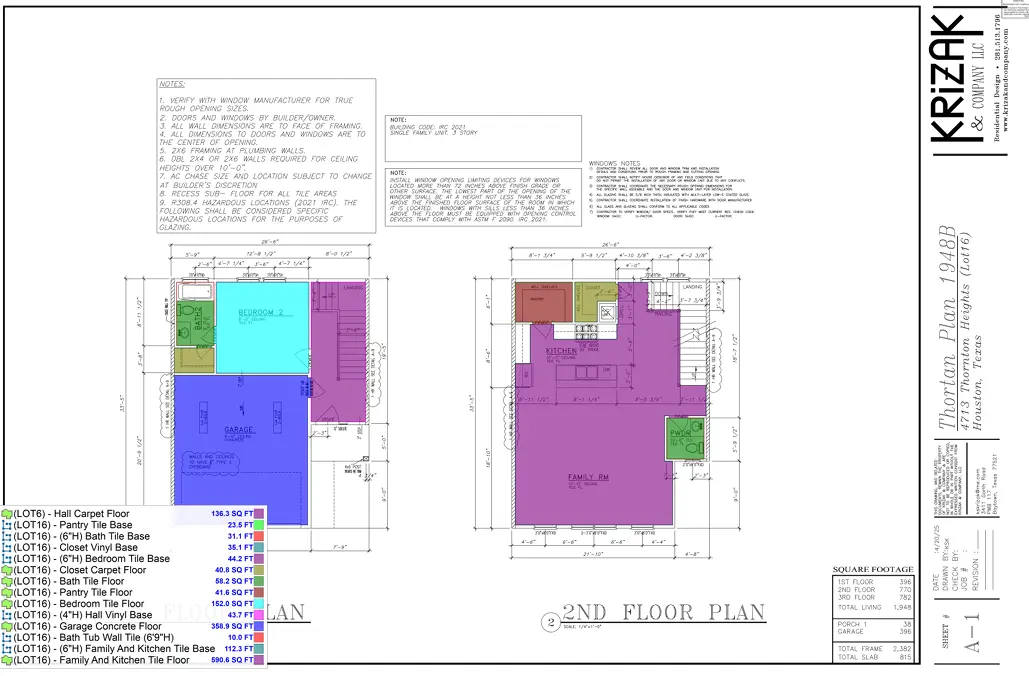
Office Building Flooring Project