Renovation & Remodeling Estimating in Austin, TX
Accurate renovation estimates navigating the complexities of older Austin structures and strict codes.
Renovation & Remodel Estimating in Austin, TX
Renovation estimating is inherently more complex than new construction. In Austin, this involves everything from updating mid-century homes in established neighborhoods to massive commercial adaptive reuse projects in East Austin. We provide detailed estimates that account for the hidden costs of remodeling: careful demolition, tying new structure into old, and the inevitable requirement to bring older buildings up to Austin's current, stringent building codes.
Austin Renovation Estimating Factors
- Code Compliance & Upgrades: Austin strictly enforces current building and energy codes on major renovations. We identify and price the often-hidden costs of upgrading old electrical panels, replacing non-compliant plumbing, and adding required insulation.
- Historic Preservation: Renovating older structures in central Austin often requires specialized labor and matching period-specific materials, which carry a significant premium.
- Careful Demolition and Phasing: We accurately estimate the labor-intensive process of surgical demolition, structural shoring, and dust control required when working in existing, sometimes occupied, structures.
The Austin Market: What Changes Your Renovation Estimate
Austin Construction Market Overview
Austin's construction market has been supercharged by the tech boom, leading to a surge in commercial office space, high-density residential towers downtown, and luxury custom homes in the Hill Country. The market is characterized by high demand, premium pricing, and a strong emphasis on sustainability and design.
Building in Austin presents unique estimating challenges: building into the rocky limestone of the Hill Country requires specialized excavation; strict environmental regulations protect the local watershed; and traffic congestion affects material delivery and labor productivity.
Austin Permitting & Green Building
The City of Austin Development Services Department is known for having some of the strictest building codes and longest review times in Texas. Austin's Energy Conservation Audit and Disclosure (ECAD) ordinance and the Austin Energy Green Building (AEGB) ratings significantly impact construction costs. Our estimates account for these premium environmental compliance costs, heritage tree protection, and the often-lengthy permitting timeline.
Our Renovation & Remodeling Estimating Process for Austin Projects
We review existing conditions - site visits when possible, available as-builts, and your scope of renovation work.
We estimate selective demolition, hazardous material abatement, and disposal costs specific to your project.
We quantify all new construction work, code upgrades, and finish installations.
We apply renovation-appropriate contingencies and identify the highest-risk unknowns in your project.
Frequently Asked Questions: Renovation & Remodeling Estimating in Austin
Do you include demolition and disposal costs in renovation estimates?
Yes. We accurately calculate the volume of debris and include the labor for safe demolition, hauling, and dumpster fees.
Can you estimate the cost of bringing an old building up to current Austin codes?
Absolutely. We review the plans to ensure costs for required structural, MEP, and energy code upgrades are fully captured.
How much contingency should a renovation budget include?
We typically recommend 15-25% contingency for renovation projects, depending on the age and condition of the building and how well existing conditions have been documented. For historic buildings or projects without as-built drawings, contingency should be at the higher end.
Can you estimate from existing conditions without drawings?
Yes, but we strongly recommend a site visit and field measurement to establish accurate as-built dimensions. We can coordinate field measurement as part of our estimating scope if needed.
Do you estimate rock excavation for Austin Hill Country projects?
Yes. A critical part of any Austin-area estimate is evaluating the geotechnical report. If limestone is present, we calculate specific rock excavation volumes, which carry significantly higher costs than standard soil excavation.
Sample Projects Across Texas
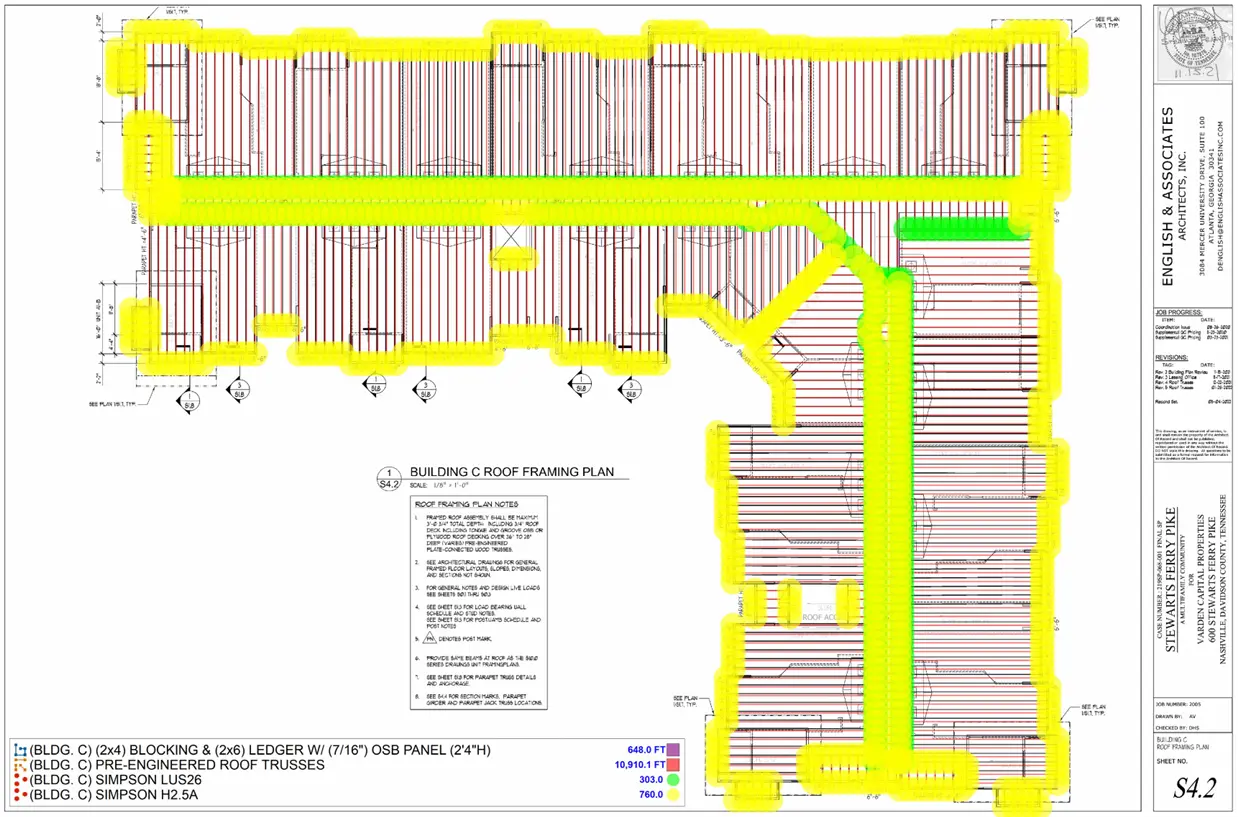
Recent takeoffs and estimates delivered for Texas contractors.
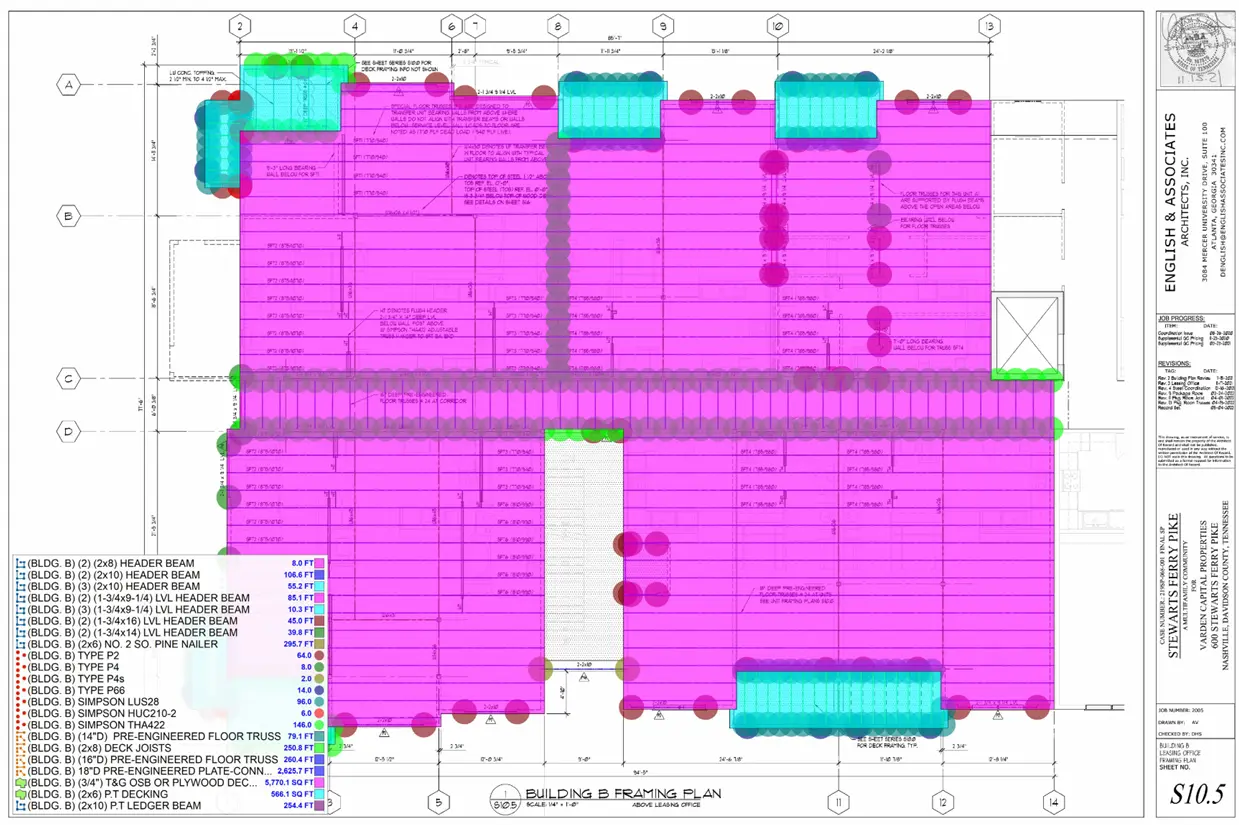
Subdivision Lumber Takeoff
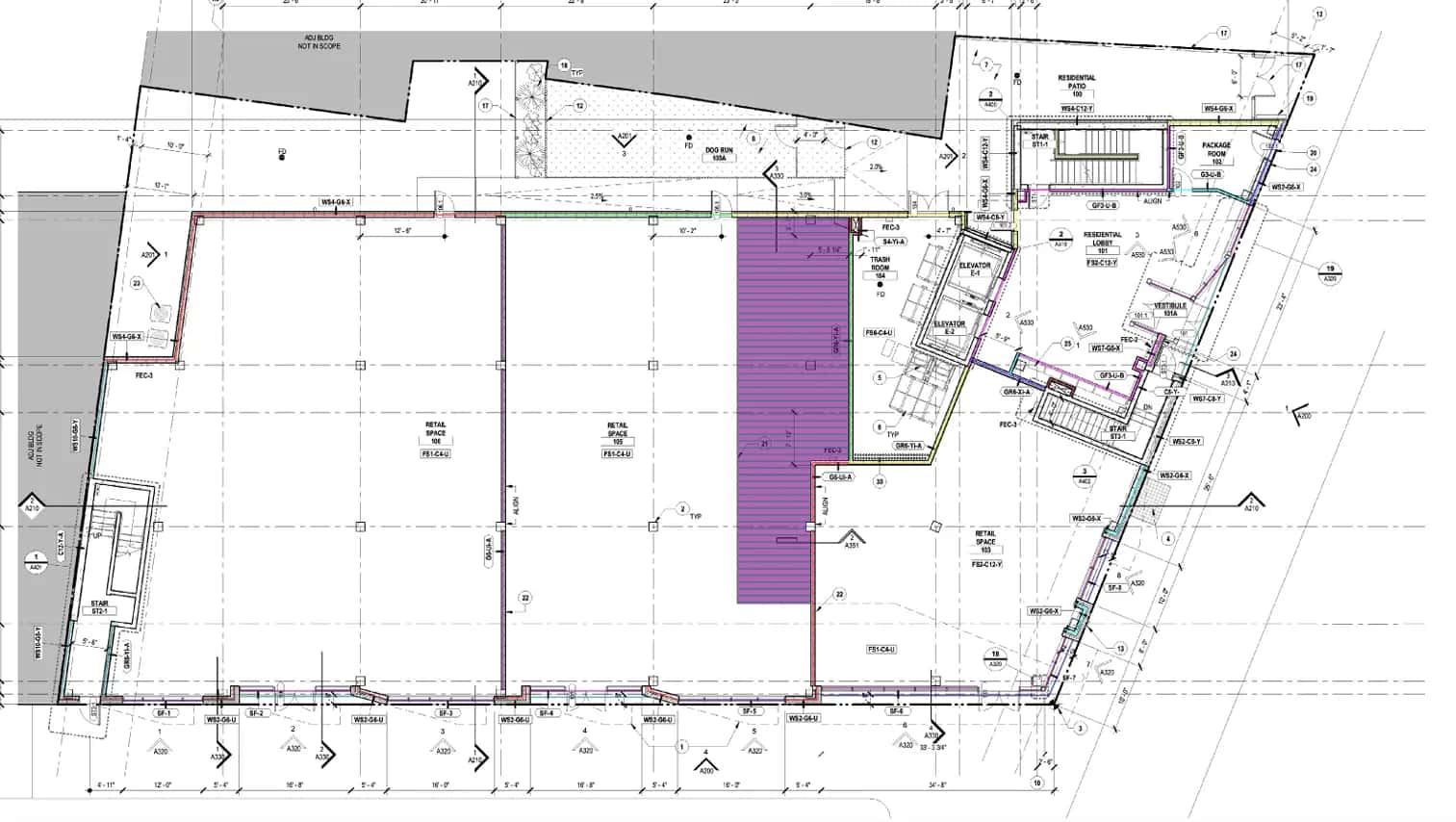
Multi-Family Framing