Mechanical Estimating in Laredo, TX
Accurate HVAC estimates designed for Laredo's extreme heat and massive warehouse cooling loads.
Mechanical & HVAC Estimating in Laredo, TX
Combating the extreme South Texas heat in Laredo's massive commercial and logistics venues requires heavy-duty mechanical systems. We provide precise takeoffs for everything from massive Rooftop Unit (RTU) arrays on logistics centers to extensive ventilation systems required to keep un-air-conditioned warehouses safe for workers.
Laredo Mechanical Estimating Variables
- Industrial Warehouse Ventilation: Unconditioned warehouses require accurate estimating for High-Volume Low-Speed (HVLS) fans, extensive exhaust louvers, and massive makeup air units to manage extreme heat buildup.
- Massive RTU Packages: Retail and conditioned logistics spaces rely heavily on packaged RTUs. We estimate the units, the structural roof curbs, massive crane lifts, and the extensive spiral or rectangular ductwork.
- Extreme High-Ambient AC: Refrigerated systems must be sized and estimated with high-ambient temperature packages to function efficiently when temperatures exceed 105 degrees, which impacts equipment pricing.
The Laredo Market: What Changes Your Mechanical Estimate
Laredo Construction Market Overview
As the largest inland port in the United States, Laredo's construction market is overwhelmingly driven by international trade and logistics. The landscape is dominated by massive warehouse distribution centers, cold storage facilities, transportation hubs, and commercial border infrastructure.
Estimating in Laredo focuses heavily on tilt-wall industrial construction, massive concrete paving packages for truck staging, and specialized refrigeration or logistics systems, all built in a harsh South Texas climate.
Laredo Permitting
Building in Laredo requires coordination with the City of Laredo Building Development Services. For logistics facilities, estimating must account for specific local requirements regarding truck traffic impacts, stormwater detention in a dry climate, and specific commercial fire code compliances for large-scale warehousing.
Our Mechanical Estimating Process for Laredo Projects
Run Manual J or ASHRAE load calculations to determine actual cooling and heating demand.
Select and price equipment meeting DOE South Region minimums based on the load calculation.
Digital measurement of all supply, return, and exhaust ductwork, calculated by material and insulation.
Apply current material costs and MCA/SMACNA labor rates adjusted for Texas installation conditions.
Frequently Asked Questions: Mechanical Estimating in Laredo
Do you estimate warehouse ventilation systems (HVLS fans, louvers)?
Yes. We accurately quantify the massive fans, heavy-duty exhaust fans, intake louvers, and the specific control wiring required.
Can you estimate the crane time required for setting heavy rooftop units?
Absolutely. We factor in the heavy equipment and specialized rigging labor required for massive commercial HVAC installations.
Does mechanical estimating include ductwork, or just equipment?
Both ductwork is sized and priced as its own line item based on the duct design (Manual D for residential, engineered design for commercial), not bundled into a flat equipment price.
Why does Texas have a higher minimum SEER2 requirement than some other states?
Texas falls in the DOE's South Region, which the federal government classifies with a higher cooling-efficiency minimum than northern states due to regional cooling load. That minimum applies statewide and directly affects equipment cost in every Texas mechanical estimate.
Do you estimate tilt-wall warehouses in Laredo?
Yes, this is a core service. We estimate the massive concrete foundations, tilt-wall panels, structural steel roofing, and extensive dock equipment (levelers, seals, doors) required for Laredo distribution centers.
Sample Projects Across Texas
Recent takeoffs and estimates delivered for Texas contractors.
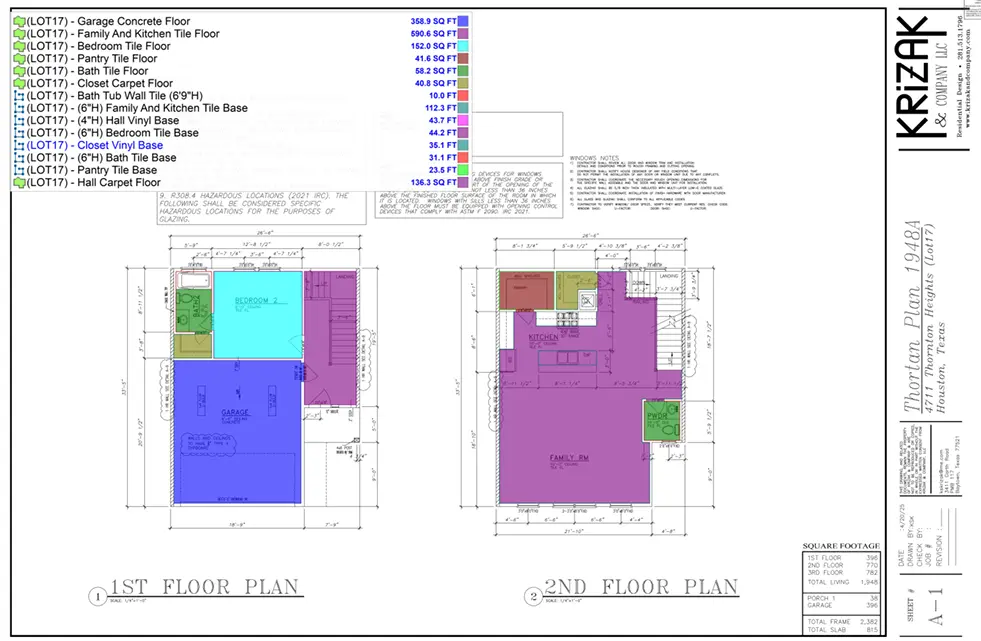
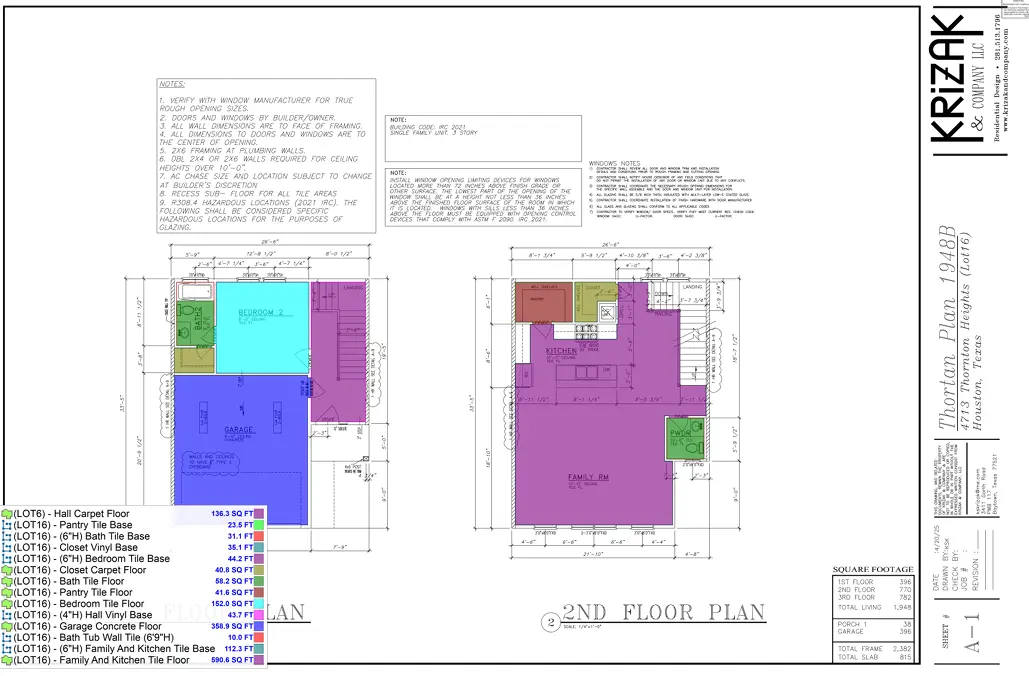
Residential Flooring Project
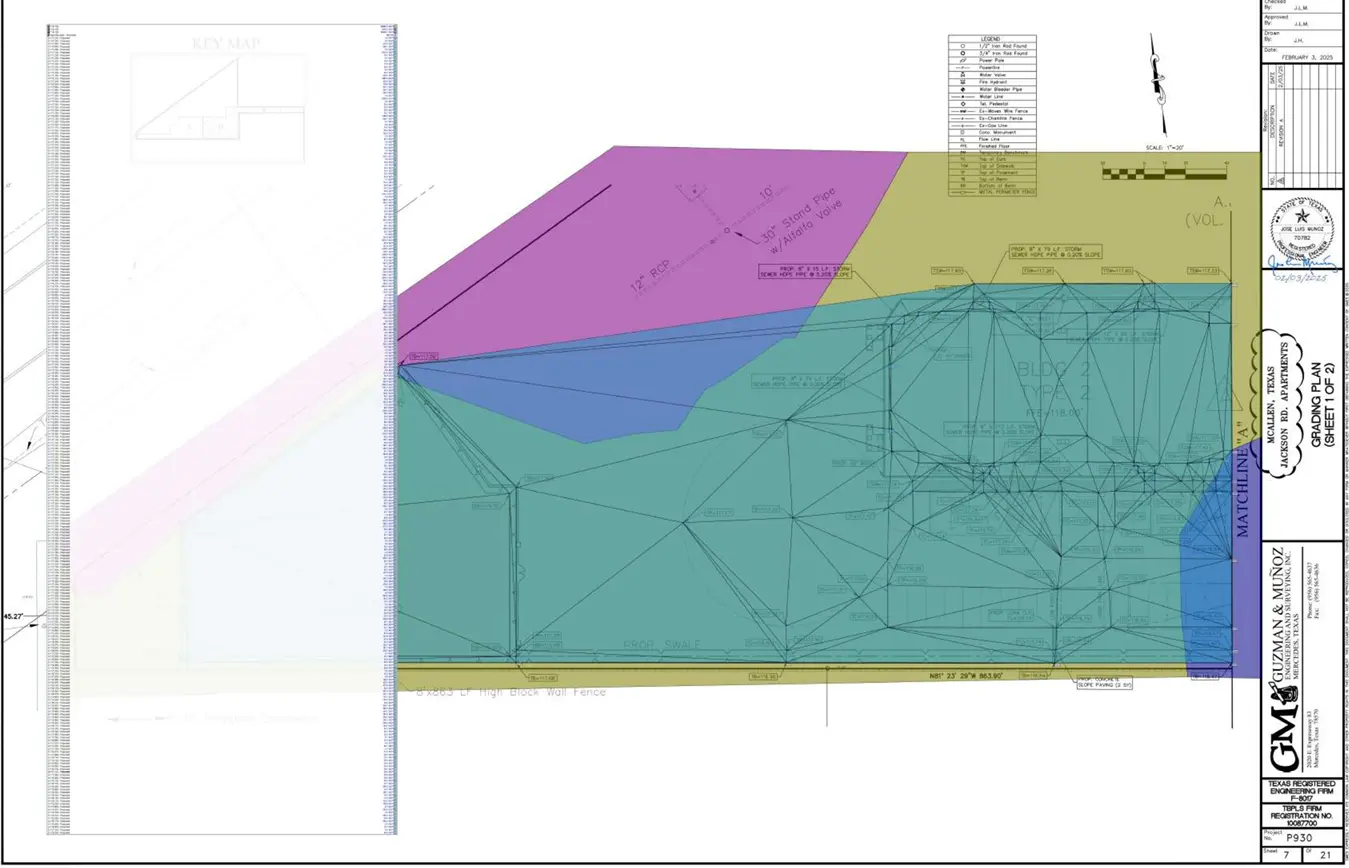
Civil Sitework & Excavation