Mechanical Estimating in Corpus Christi, TX
Accurate HVAC estimates designed for Corpus Christi's extreme humidity, salt air, and heavy industrial needs.
Mechanical & HVAC Estimating in Corpus Christi, TX
Corpus Christi's combination of intense heat, 90%+ humidity, and corrosive salt air is brutal on mechanical systems. We provide precise takeoffs for everything from specialized coastal-coated Rooftop Units (RTUs) for commercial retail to massive chilled water systems for high-rise condos, ensuring your bids cover the extreme equipment modifications required for survival on the Gulf Coast.
Corpus Christi Mechanical Estimating Variables
- Coastal Corrosion Coatings: Standard condenser coils will rot away in months on the coast. We accurately estimate the massive cost premiums for factory-applied epoxy coatings (like Heresite) on all exterior HVAC equipment.
- Extreme Dehumidification: Coastal systems require estimating specialized reheat coils, massive makeup air units, and complex controls to manage the extreme latent heat (humidity) loads.
- Hurricane Tie-Downs: We estimate the heavy structural curbs, stainless steel cables, and specialized vibration isolators required to secure heavy rooftop equipment against 130+ mph winds.
The Corpus Christi Market: What Changes Your Mechanical Estimate
Corpus Christi Construction Market Overview
Building in Corpus Christi is defined by its coastal environment. The market is driven by the massive industrial and petrochemical presence at the Port of Corpus Christi, alongside coastal tourism and residential development.
Estimating in Corpus Christi requires specific expertise in coastal construction: calculating costs for wind-rated assemblies, impact-resistant glazing, corrosion-resistant materials (like stainless steel hardware and special HVAC coatings), and elevated foundations in flood zones.
Corpus Christi Permitting & TWIA
The most significant factor in Corpus Christi estimating is compliance with the Texas Windstorm Insurance Association (TWIA). Our estimates capture the premium costs associated with TWIA-certified materials, specific nailing/fastening patterns, hurricane tie-downs, and the specialized engineering inspections required to certify a building on the coast.
Our Mechanical Estimating Process for Corpus Christi Projects
Run Manual J or ASHRAE load calculations to determine actual cooling and heating demand.
Select and price equipment meeting DOE South Region minimums based on the load calculation.
Digital measurement of all supply, return, and exhaust ductwork, calculated by material and insulation.
Apply current material costs and MCA/SMACNA labor rates adjusted for Texas installation conditions.
Frequently Asked Questions: Mechanical Estimating in Corpus Christi
Do you estimate the premium for coastal/epoxy coatings on HVAC equipment?
Yes. This is mandatory for Corpus Christi. We factor in the significant premium for Heresite or similar factory coatings on all coils and cabinets.
Can you estimate heavy windstorm tie-downs for rooftop units?
Absolutely. We review the windstorm engineering to price the specific heavy-duty curbs, cables, and anchoring hardware required.
Does mechanical estimating include ductwork, or just equipment?
Both ductwork is sized and priced as its own line item based on the duct design (Manual D for residential, engineered design for commercial), not bundled into a flat equipment price.
Why does Texas have a higher minimum SEER2 requirement than some other states?
Texas falls in the DOE's South Region, which the federal government classifies with a higher cooling-efficiency minimum than northern states due to regional cooling load. That minimum applies statewide and directly affects equipment cost in every Texas mechanical estimate.
Do your estimates include Texas Windstorm (TWIA) compliance?
Yes. This is mandatory for coastal estimating. We price the specific impact-rated windows, hurricane straps, enhanced roofing assemblies, and upgraded framing requirements necessary to pass windstorm inspections.
Sample Projects Across Texas
Recent takeoffs and estimates delivered for Texas contractors.
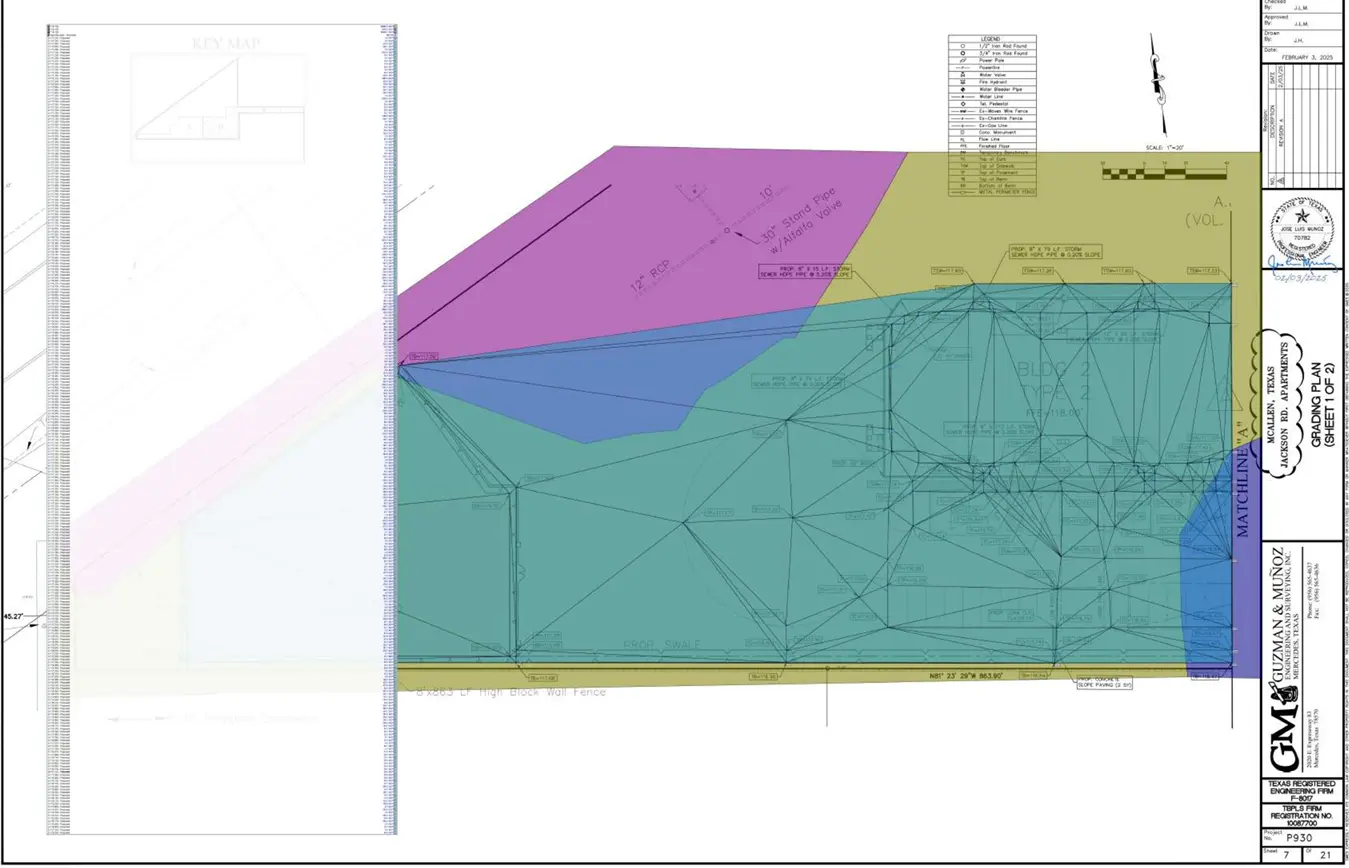
Civil Sitework & Excavation
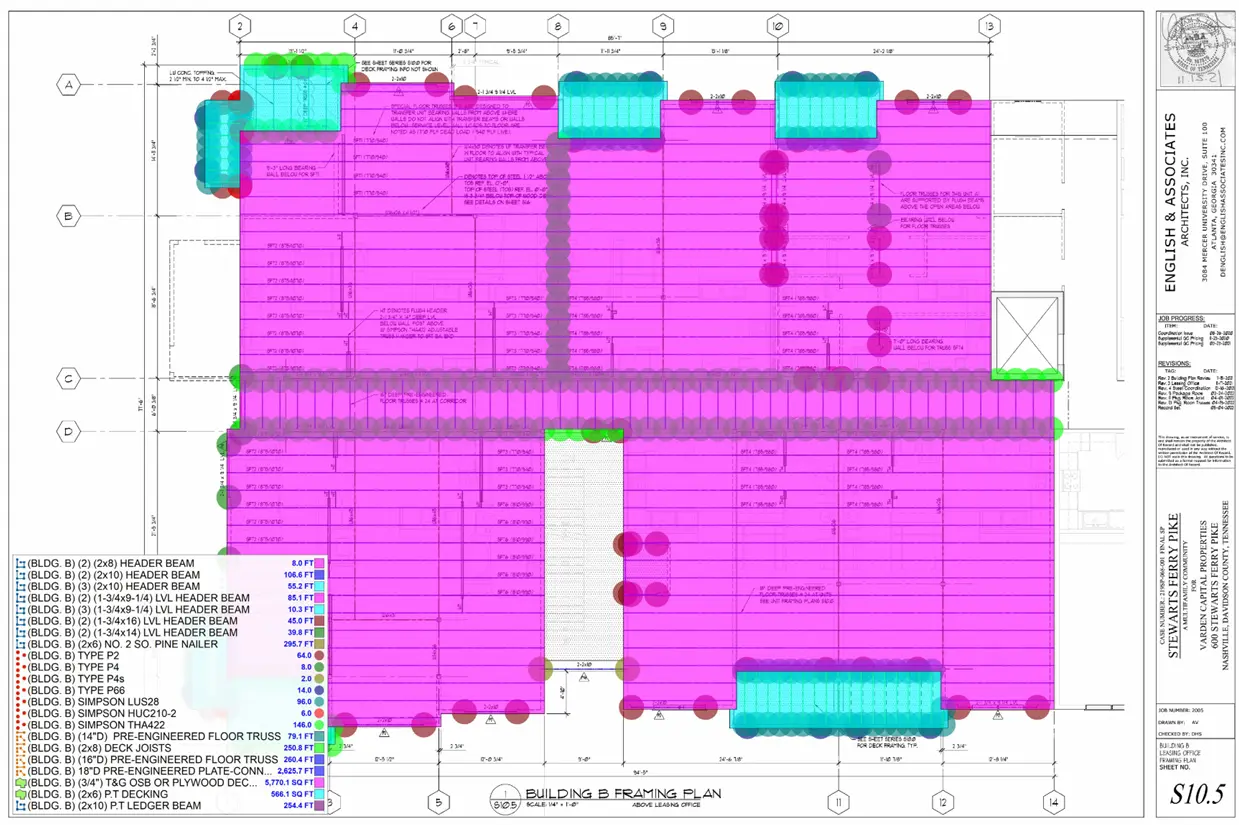
Subdivision Lumber Takeoff