Sitework Estimating in Corpus Christi, TX
Data-driven sitework estimates navigating Corpus Christi's coastal soils, high water tables, and flood plains.
Sitework & Excavation Estimating in Corpus Christi, TX
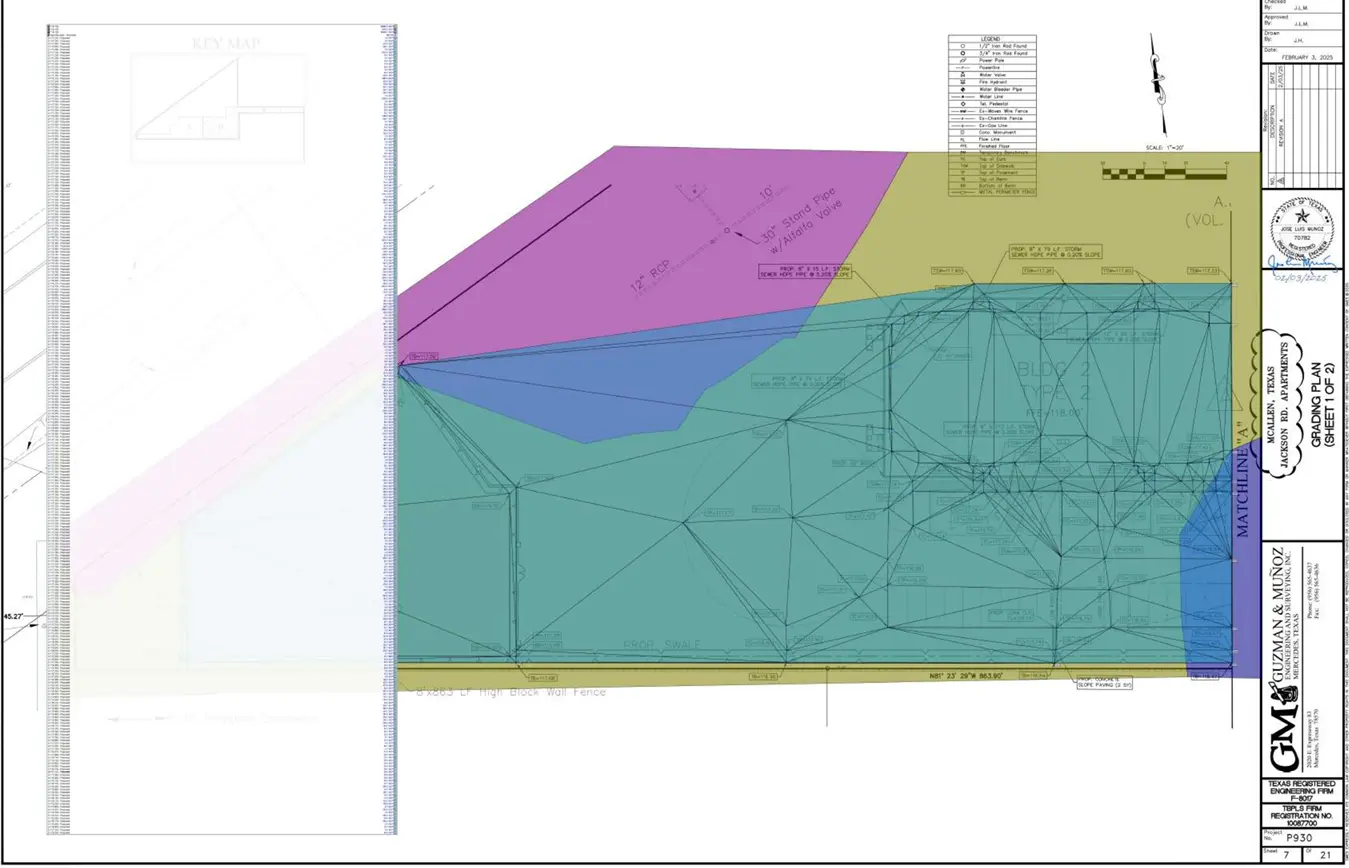
Sitework in Corpus Christi is defined by proximity to the water. High water tables, soft coastal clays, and strict FEMA flood plain regulations mandate complex, heavily engineered grading plans. We utilize advanced 3D modeling software to analyze these requirements, providing precise cut/fill volumes and accurate pricing for the heavy equipment operations needed to build stable pads on the coast.
Corpus Christi Sitework Cost Drivers
- Dewatering & Trench Shoring: The biggest variable. We accurately estimate the massive costs of well-point dewatering systems and extensive trench shoring required to excavate in wet, sandy coastal soils.
- Building Up (Import Fill): To meet FEMA base flood elevations (BFE), sites often require massive amounts of imported select fill. We accurately calculate the exact tonnage of dirt required to elevate the building pad.
- Soil Stabilization: Soft coastal soils often require estimating extensive chemical stabilization (lime or cement) or the installation of geogrids to create a stable base for paving and foundations.
The Corpus Christi Market: What Changes Your Sitework Estimate
Corpus Christi Construction Market Overview
Building in Corpus Christi is defined by its coastal environment. The market is driven by the massive industrial and petrochemical presence at the Port of Corpus Christi, alongside coastal tourism and residential development.
Estimating in Corpus Christi requires specific expertise in coastal construction: calculating costs for wind-rated assemblies, impact-resistant glazing, corrosion-resistant materials (like stainless steel hardware and special HVAC coatings), and elevated foundations in flood zones.
Corpus Christi Permitting & TWIA
The most significant factor in Corpus Christi estimating is compliance with the Texas Windstorm Insurance Association (TWIA). Our estimates capture the premium costs associated with TWIA-certified materials, specific nailing/fastening patterns, hurricane tie-downs, and the specialized engineering inspections required to certify a building on the coast.
Our Sitework Estimating Process for Corpus Christi Projects
Confirm current stormwater and detention requirements for the specific city/county.
Digitize existing and proposed contours to calculate precise cut/fill and import/export volumes.
Measure and coordinate wet and dry underground utilities, including trenching and backfill.
Quantify all surface paving sections, flatwork, and related site improvements.
Frequently Asked Questions: Sitework Estimating in Corpus Christi
Do you account for dewatering during excavation?
Yes. If the geotechnical report indicates a high water table, we estimate the necessary pumps, well-points, and labor required to manage groundwater.
Can you provide 3D earthwork cut and fill models?
Absolutely. We use industry-leading software to generate visual 3D maps and exact volumetric quantities, which is critical when calculating massive import fill requirements.
How do you confirm current detention requirements for a project?
We check the governing jurisdiction's current stormwater design criteria city, county, or flood control district, whichever applies before pricing detention pond sizing, since these rates have changed materially in some Texas markets in recent years and vary by jurisdiction.
Does a sitework estimate include underground utilities, or just earthwork?
Both water, sanitary sewer, storm drain, and dry utility trenching are included as their own line items, coordinated with the earthwork scope so trench conflicts are flagged before construction.
Do your estimates include Texas Windstorm (TWIA) compliance?
Yes. This is mandatory for coastal estimating. We price the specific impact-rated windows, hurricane straps, enhanced roofing assemblies, and upgraded framing requirements necessary to pass windstorm inspections.
Sample Projects Across Texas
Recent takeoffs and estimates delivered for Texas contractors.
Civil Sitework & Excavation
Exterior Commercial Paint