Masonry Estimating in Denton, TX
Detailed masonry estimating for Denton's historic downtown, university projects, and sprawling suburban residential developments.
Masonry Estimating in Denton, TX
Masonry in Denton spans a wide spectrum: from careful historic restoration around the Courthouse Square, to durable block construction for university facilities, and high-volume brick veneers for the exploding suburban residential market. We provide detailed estimates tailored to each specific requirement.
Denton Masonry Cost Drivers
- Historic Renovation & Restoration: Working near the Denton Square often involves historic structures. We accurately estimate the premium labor and specialized materials (custom mortar, salvaged brick) required for tuckpointing and historic masonry restoration.
- Institutional Concrete Masonry Units (CMU): University buildings and schools frequently utilize CMU for load-bearing walls. We provide exact block counts, reinforcing steel detailing, and grout-fill volume estimates.
- High-Volume Residential Veneers: We accurately quantify the face brick and natural stone accents common in Denton's rapidly expanding subdivisions, ensuring compliance with local masonry ordinances.
The Denton Market: What Changes Your Masonry Estimate
Denton Construction Market Overview
Denton is a vibrant university city anchored by the University of North Texas (UNT) and Texas Woman's University (TWU), while simultaneously serving as the county seat for one of the fastest-growing counties in America. The construction market is a compelling mix of institutional higher-education projects, historic downtown square preservation, and explosive residential and commercial expansion radiating outward along I-35W and I-35E.
Estimating in Denton requires understanding the city's dual identity: pricing carefully controlled historic renovation work around the courthouse square, while also competitively estimating the high-volume suburban construction (apartments, retail, and single-family) pushing north toward Sanger and Aubrey. The A-train DCTA commuter rail also fuels transit-oriented development near stations, creating a growing demand for mixed-use projects.
Denton Permitting & Historic Preservation
The City of Denton Development Services Department manages permits with distinct processes for different zones. The Downtown Denton Historic District is governed by strict preservation standards that can mandate specific materials and architectural treatments. Outside the historic core, Denton enforces suburban development codes including masonry requirements, extensive landscaping ordinances, and tree preservation rules. Our estimates capture these location-specific compliance costs, whether your project is a downtown renovation or a greenfield development on the city's expanding periphery.
Our Masonry Estimating Process for Denton Projects
Confirm veneer vs. structural masonry and coordinate with foundation type (post-tension vs. conventional slab) to determine expansion joint requirements.
Calculate actual brick and block quantities from the drawings based on unit size, mortar joint thickness, and bond pattern - not a flat square-foot multiplier.
Price veneer ties, through-wall flashing, and expansion joint material as explicit line items rather than a blended accessories allowance.
Count lintel block, arches, soldier courses, and custom cuts individually, and apply labor rates matched to pattern complexity and wall height.
Frequently Asked Questions: Masonry Estimating in Denton
Do you estimate historic masonry restoration or tuckpointing?
Yes. We factor in the specialized, labor-intensive processes and premium materials required to restore older brick and stone structures.
Can your estimates account for municipal masonry percentage requirements on new builds?
Absolutely. We carefully review zoning requirements to ensure the estimate includes the required percentage of brick or stone facade mandated by the city.
Does brick veneer really need different detailing than structural masonry?
Yes - veneer is a non-structural skin tied to the wall behind it, and on Texas’s expansive soils it needs expansion joints and flexible ties to accommodate foundation movement without cracking. Structural masonry is detailed differently since it’s part of the building’s load path.
How do you calculate brick quantities - square footage, or actual unit count?
Actual unit count, calculated from the specific brick size, mortar joint thickness, and bond pattern shown in the drawings. A flat square-foot multiplier doesn’t account for how much those three variables change actual quantity needed.
Do you estimate university campus projects at UNT or TWU?
Yes. We estimate institutional facilities including academic buildings, student housing, dining halls, and recreation centers, capturing the premium durability standards, complex MEP systems, and specific accessibility requirements of university construction.
Sample Projects Across Texas
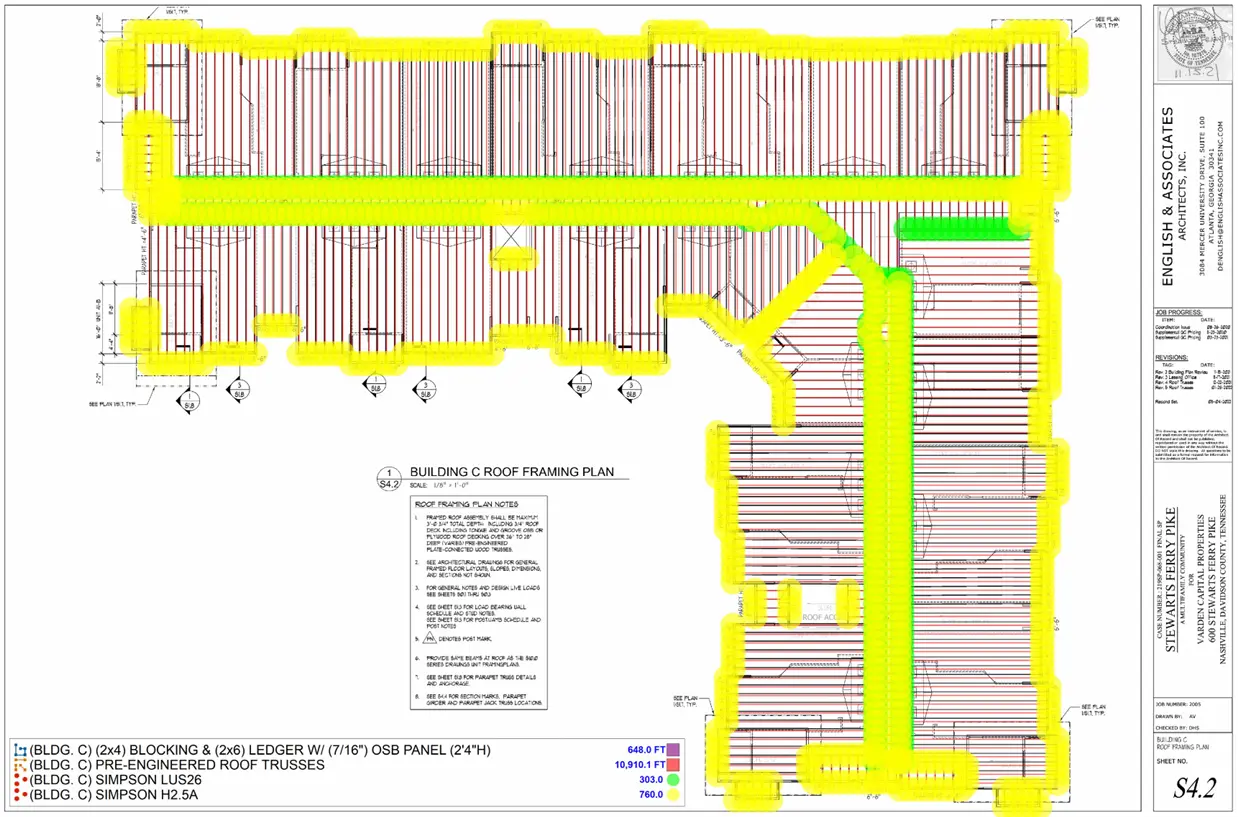
Recent takeoffs and estimates delivered for Texas contractors.
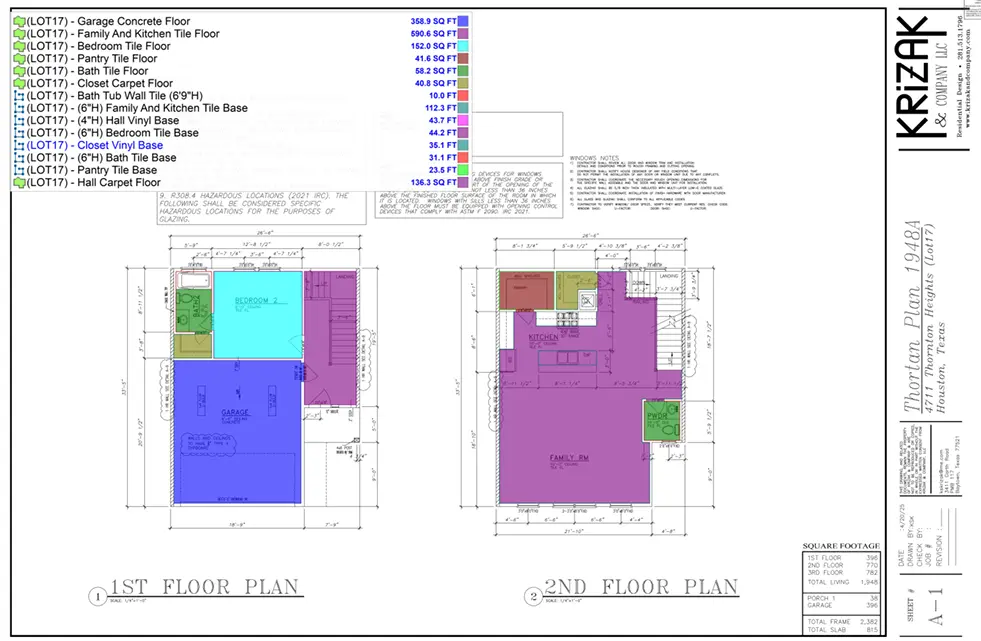
Residential Flooring Project
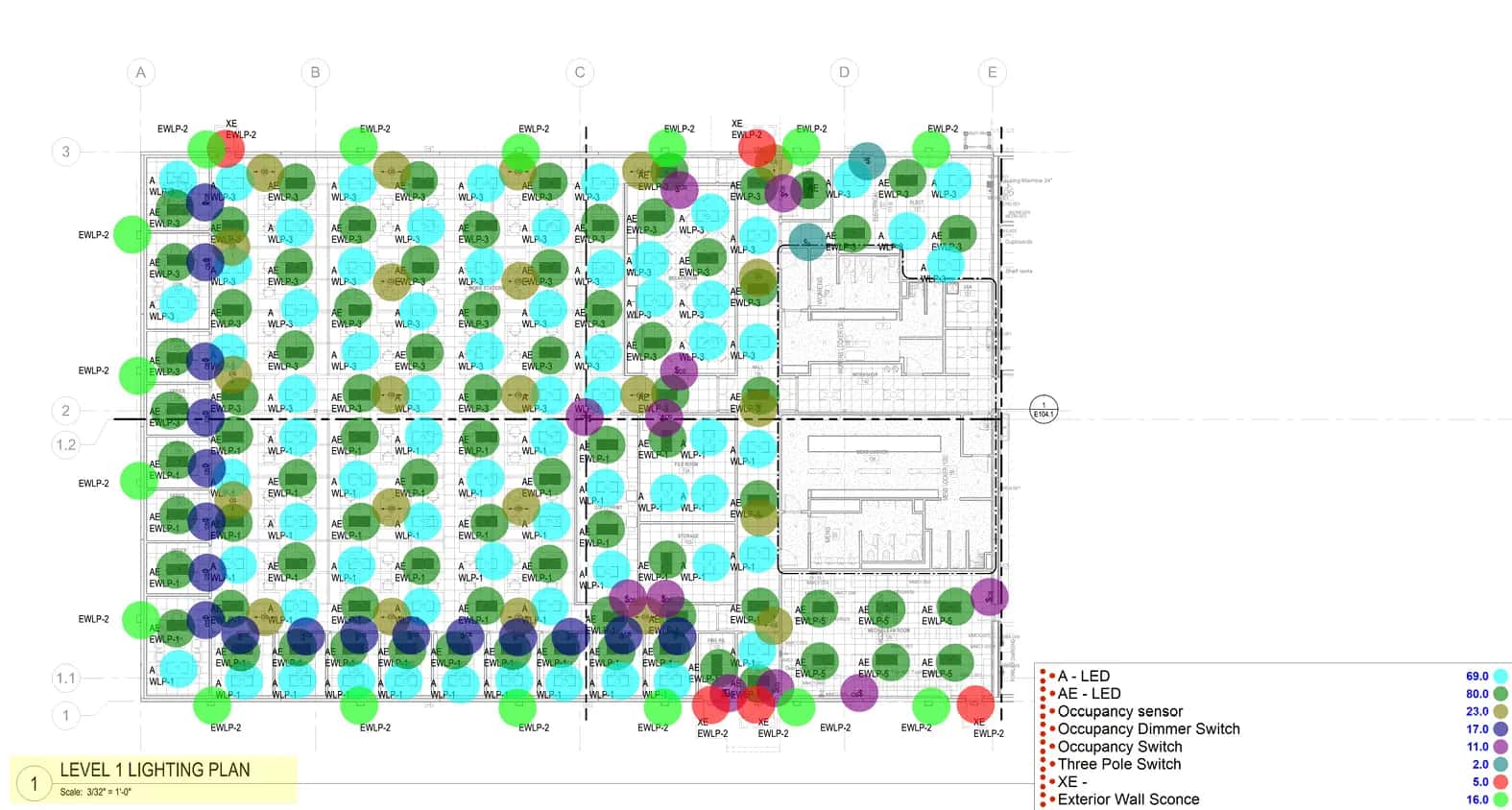
Commercial Electrical Takeoff