Renovation & Remodeling Estimating in Garland, TX
Accurate renovation estimates navigating the complexities of updating Garland's older commercial and residential structures.
Renovation & Remodel Estimating in Garland, TX
Renovation estimating is inherently more complex than new construction. In Garland, this involves everything from updating historic residential neighborhoods to massive commercial adaptive reuse projects and retail revitalization. We provide detailed estimates that account for the hidden costs of remodeling: careful demolition, protecting existing finishes, and bringing older systems up to current codes.
Garland Renovation Estimating Factors
- Code Compliance & Upgrades: Garland strictly enforces current building and energy codes on major renovations. We identify and price the often-hidden costs of upgrading old electrical panels and replacing non-compliant MEP systems.
- Adaptive Reuse of Industrial Space: Converting older industrial spaces into modern commercial or retail use requires estimating massive structural modifications, specialized cleaning, and extensive MEP overhauls.
- Careful Demolition and Phasing: We accurately estimate the labor-intensive process of surgical demolition, structural shoring, and dust control required when working in existing structures.
The Garland Market: What Changes Your Renovation Estimate
Garland Construction Market Overview
Garland features one of the largest manufacturing sectors in Texas. The construction market here is a mix of heavy industrial facility expansion, warehousing along the I-30 and I-635 corridors, and significant revitalization and renovation of its established residential neighborhoods.
Estimating in Garland requires expertise in industrial process facilities-understanding heavy power requirements, equipment foundations, and industrial MEP systems-as well as competitive pricing for suburban commercial and retail developments.
Garland Permitting
The City of Garland Building Inspection department oversees construction. A unique aspect of Garland is its municipal utility, Garland Power & Light (GP&L). Our electrical estimates account for the specific utility interconnection requirements and fees associated with GP&L, which can differ from standard Oncor requirements in the rest of DFW.
Our Renovation & Remodeling Estimating Process for Garland Projects
We review existing conditions - site visits when possible, available as-builts, and your scope of renovation work.
We estimate selective demolition, hazardous material abatement, and disposal costs specific to your project.
We quantify all new construction work, code upgrades, and finish installations.
We apply renovation-appropriate contingencies and identify the highest-risk unknowns in your project.
Frequently Asked Questions: Renovation & Remodeling Estimating in Garland
Do you include demolition and disposal costs in renovation estimates?
Yes. We accurately calculate the volume of debris and include the labor for safe demolition, hauling, and dumpster fees.
Can you estimate the cost of bringing an old building up to current codes?
Absolutely. We review the plans to ensure costs for required structural, MEP, and energy code upgrades are fully captured.
How much contingency should a renovation budget include?
We typically recommend 15-25% contingency for renovation projects, depending on the age and condition of the building and how well existing conditions have been documented. For historic buildings or projects without as-built drawings, contingency should be at the higher end.
Can you estimate from existing conditions without drawings?
Yes, but we strongly recommend a site visit and field measurement to establish accurate as-built dimensions. We can coordinate field measurement as part of our estimating scope if needed.
Do you estimate manufacturing facility expansions?
Yes. We estimate industrial plant expansions, accounting for heavy equipment foundations, process piping, specialized industrial ventilation, and upgraded electrical services.
Sample Projects Across Texas
Recent takeoffs and estimates delivered for Texas contractors.
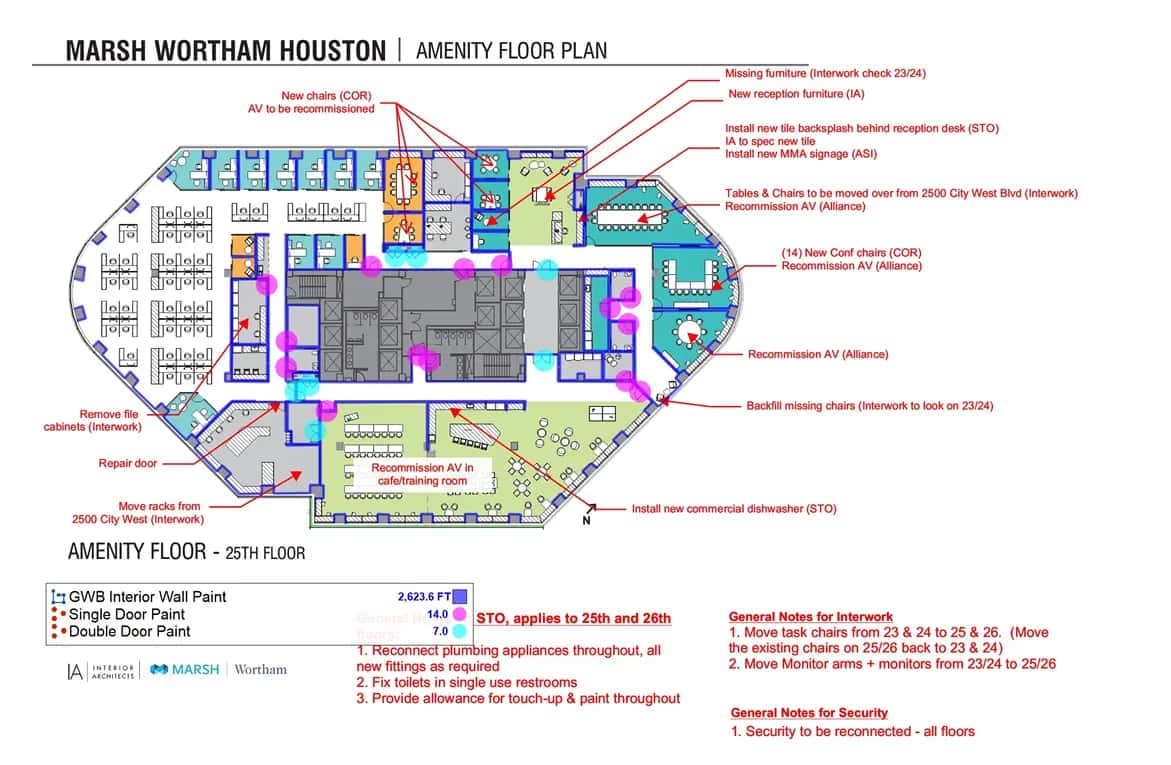
Exterior Commercial Paint
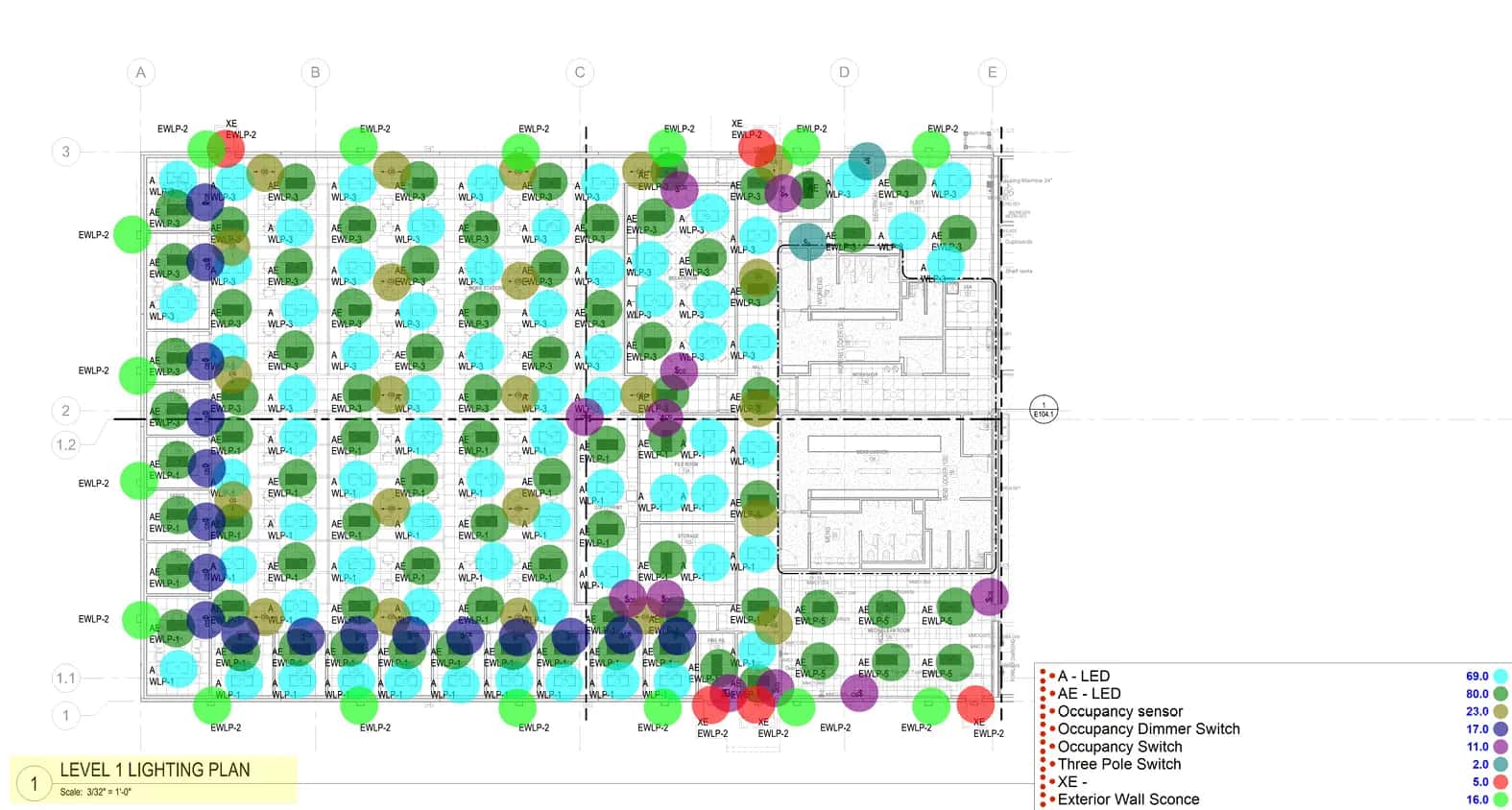
Commercial Electrical Takeoff