Plumbing Estimating in McKinney, TX
Detailed plumbing estimates navigating McKinney's residential boom, expansive soils, and commercial development.
Plumbing Estimating in McKinney, TX
Plumbing estimating in McKinney is heavily focused on the massive residential and multi-family sectors, alongside growing commercial requirements. We provide comprehensive estimates that capture everything from high-volume residential fixture matrices to complex underground sanitary systems designed to survive shifting North Texas soils.
McKinney Plumbing Cost Drivers
- High-Volume Residential & Multi-Family: We provide highly repetitive, exact unit matrices for fixtures, along with the complex estimating required for central domestic water heating and massive sanitary risers in large apartments.
- Expansive Soil Mitigation: Underground plumbing must be estimated with specialized flexible connections, heavy-duty sleeving, and deep trenching to protect pipes from the shifting Blackland clay common in the area.
- Medical & Dental Clinics: The growing healthcare sector requires estimates for specialized plumbing, including medical gas piping (oxygen, vacuum, nitrous), specialized alarms, and custom dental chair rough-ins.
The McKinney Market: What Changes Your Plumbing Estimate
McKinney Construction Market Overview
McKinney offers a unique construction environment: a fiercely protected historic downtown square surrounded by explosive, modern suburban and commercial growth along the Highway 121 (Sam Rayburn Tollway) and US 75 corridors.
Estimating here requires versatility. We price meticulous, code-heavy restorations in the Historic District, massive new retail and corporate office parks in Craig Ranch, and high-end custom home developments in the city's expanding northern footprint.
McKinney Permitting & Historic Review
While new development along the highways follows standard, albeit strict, suburban commercial codes, building in Central McKinney is different. Projects near the square are subject to the Historic Preservation Advisory Board (HPAB). Our estimates for historic McKinney projects account for matching period-specific materials, specialized restoration labor, and the extended timeline of historic review.
Our Plumbing Estimating Process for McKinney Projects
Confirm whether the project falls under UPC (Austin, Houston, San Antonio) or IPC to ensure accurate fixture unit math.
Calculate WSFU and DFU loads to accurately size water supply, drainage, and venting.
Measurement of all sub-slab and above-ground piping, fittings, fixtures, and specialty systems.
Apply current Texas material pricing and labor rates split by rough-in and trim-out phases.
Frequently Asked Questions: Plumbing Estimating in McKinney
Do you provide detailed fixture counts for massive apartment complexes or subdivisions?
Yes. We provide comprehensive matrices detailing every toilet, sink, tub, and valve required for every specific unit type, ensuring accurate volume purchasing.
Do your estimates account for plumbing in highly expansive clay soils?
Absolutely. We factor in the costs for flexible connections, specialized trench bedding, and deep excavations required to protect underground pipes.
Does my project fall under the UPC or the IPC?
It depends on your city. Austin, Houston, and San Antonio enforce the UPC; most other Texas municipalities enforce the IPC. We confirm jurisdiction before pricing so fixture unit and venting calculations match the code that actually applies.
Can you estimate plumbing separately from the rest of the MEP scope?
Yes this page covers plumbing as a standalone trade. If you need mechanical and electrical priced alongside it as a coordinated system, see our MEP Estimating Services page.
Can you estimate historic building renovations in Downtown McKinney?
Yes. We estimate the specialized labor and materials required for historic preservation, such as tuckpointing historic brick, restoring original millwork, and retrofitting modern MEP systems into older structures.
Sample Projects Across Texas
Recent takeoffs and estimates delivered for Texas contractors.
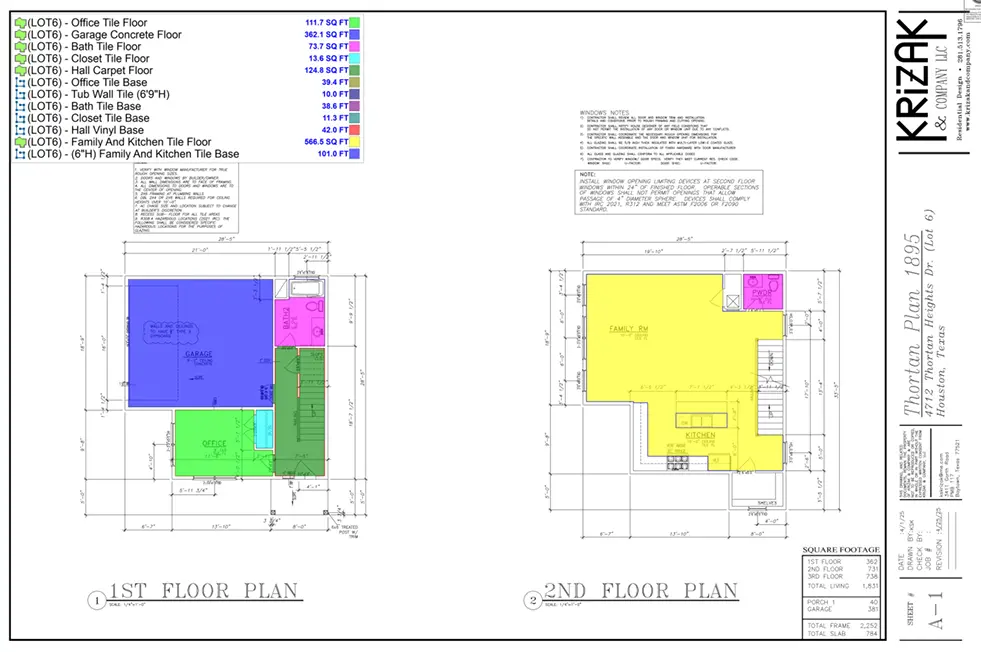
Commercial Flooring Project
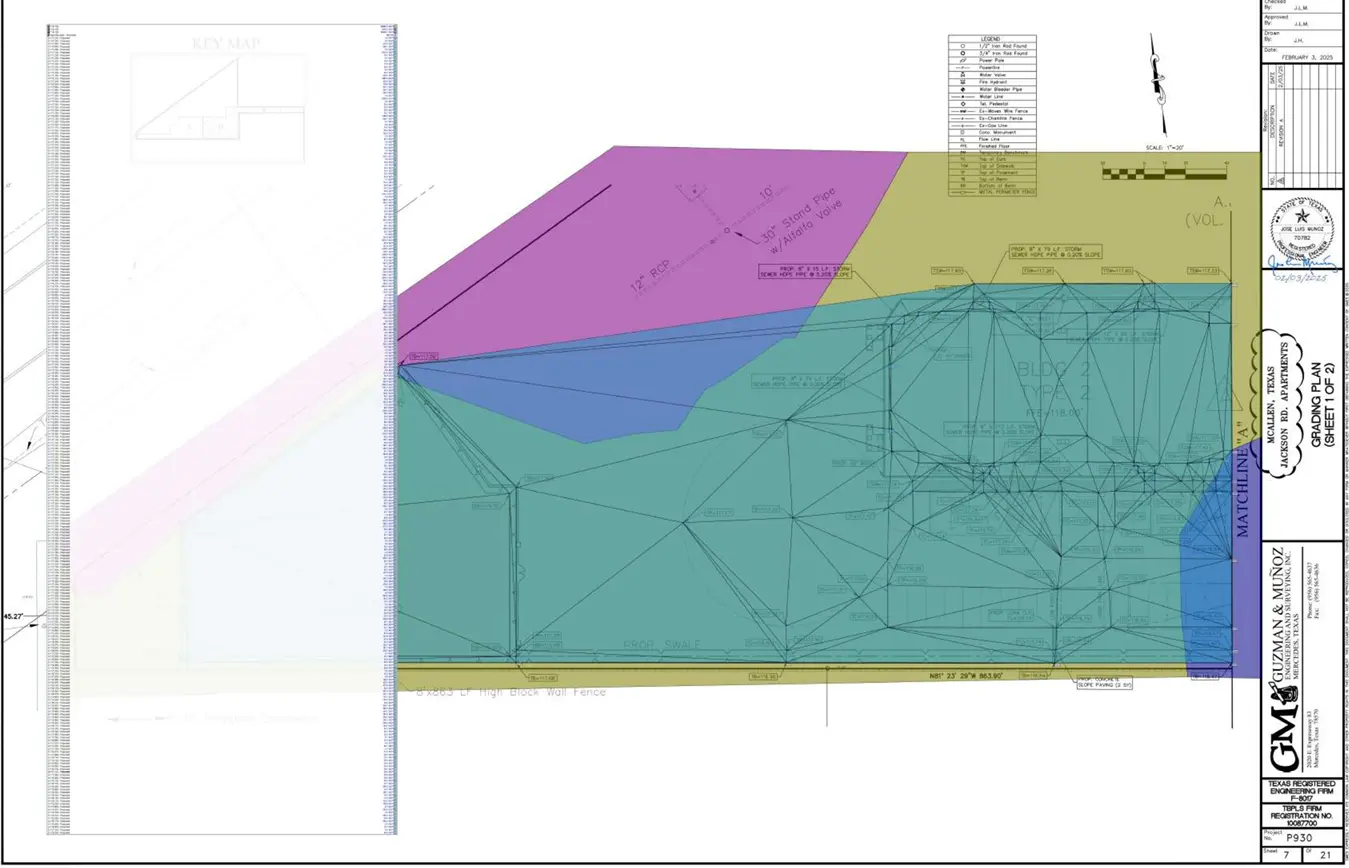
Civil Sitework & Excavation