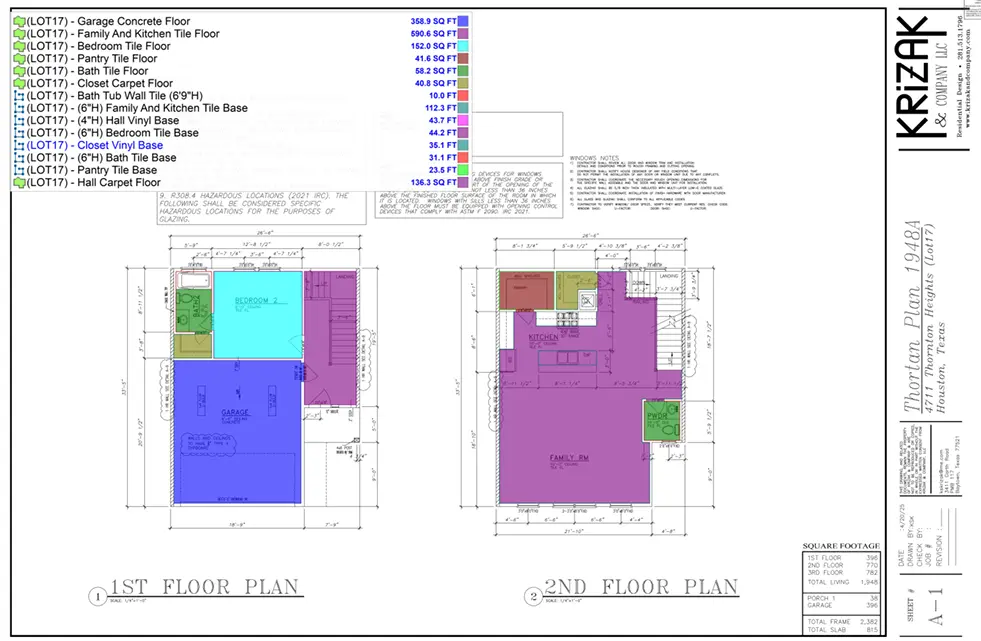
Concrete Estimating in San Antonio, TX
Accurate concrete estimating for San Antonio, factoring in historic district constraints and Hill Country limestone.
Concrete Estimating in San Antonio, TX
Concrete estimating in San Antonio requires navigating two very different environments: the rocky, challenging terrain of the northern suburbs (Stone Oak, Boerne) and the sensitive, closely monitored historic districts downtown. Our concrete takeoffs are tailored to Bexar County's specific geological and municipal realities, ensuring your bids cover the premium costs of rock excavation, specialized historic foundation retrofits, and massive military infrastructure projects at JBSA.
San Antonio Concrete Cost Factors
- Limestone vs. Clay: We carefully review geotechnical reports. Projects north of Loop 1604 often require rock milling for footings, while southern projects deal with expansive clay requiring engineered post-tension slabs.
- Historic Foundation Underpinning: Work in the King William or downtown historic districts often involves complex estimates for micro-piles or specialized underpinning to stabilize 19th-century structures.
- Military Specifications (JBSA): Concrete work on local military bases requires strict adherence to USACE specifications, which often mandate higher-strength mixes and rigorous testing protocols that increase costs.
The San Antonio Market: What Changes Your Concrete Estimate
San Antonio Construction Market Overview
San Antonio balances deep historical roots with rapid modern expansion. The construction market here is driven by military/defense spending (Joint Base San Antonio), a booming healthcare sector, steady tourism, and massive residential growth on the city's north and west sides.
Estimating in San Antonio often means dealing with two extremes: carefully pricing the restoration of historic buildings downtown (often involving the Historic and Design Review Commission), or estimating large-scale, cost-conscious production home communities and retail centers in the expanding suburban loops.
San Antonio Permitting & Historic Review
Permitting through the City of San Antonio Development Services requires navigating specific local ordinances. A major factor in central San Antonio is the Historic and Design Review Commission (HDRC) and the Office of Historic Preservation (OHP), which govern exterior changes in historic districts. Our estimates can include allowances for specialized historic materials, archaeological assessments, and the extended timeline of historic review.
Our Concrete Estimating Process for San Antonio Projects
Confirm foundation type and design requirements against the project's soil report.
Digital takeoff of all concrete volume (CY) for slabs, beams, footings, and flatwork.
Quantify rebar tonnage, post-tension cable, anchors, and vapor barriers.
Calculate required formwork area and apply current Texas material and labor rates.
Frequently Asked Questions: Concrete Estimating in San Antonio
Do you estimate post-tension slabs for San Antonio residential projects?
Yes, we provide detailed takeoffs for PT slabs, which are very common in the expansive soils of southern and eastern Bexar County.
Can you estimate concrete for federal/military projects?
Absolutely. We ensure the takeoff reflects the specific (and often more expensive) concrete mix designs and testing requirements mandated by federal contracts.
How do you know whether a project needs a post-tension or conventional slab?
That's determined by the geotechnical soil report, specifically the soil's plasticity index if you have the report, we'll confirm foundation type against it before pricing; if you don't have one yet, we'll flag that a soil report should be obtained before final foundation design.
Does post-tension design cost significantly more than a conventional slab?
Yes, typically post-tension cable, anchor hardware, and stressing labor add real cost over a conventional slab of the same footprint. That's exactly why confirming foundation type before pricing matters; the two aren't interchangeable in the estimate.
Do you estimate federal/military projects at JBSA?
Yes. We are experienced in estimating projects for military installations (Lackland, Randolph, Fort Sam Houston), which require understanding specific federal contracting requirements, anti-terrorism force protection (ATFP) standards, and prevailing wage (Davis-Bacon) labor rates.
Sample Projects Across Texas
Recent takeoffs and estimates delivered for Texas contractors.
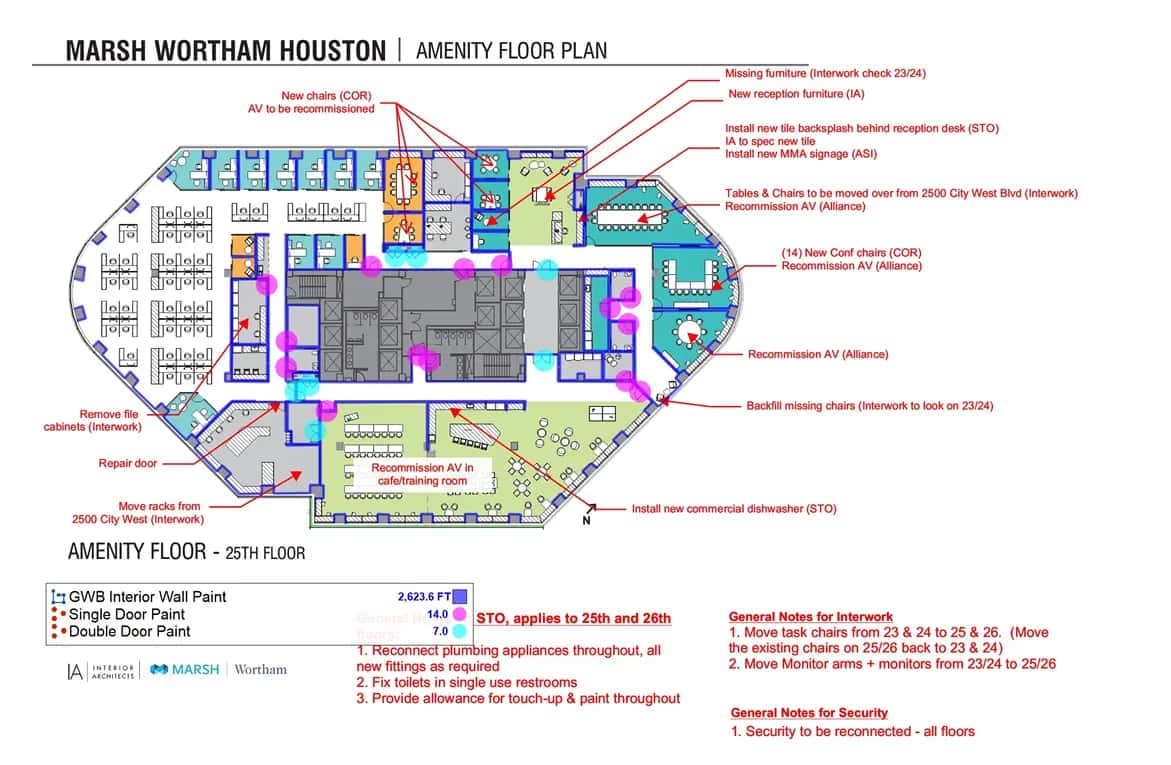
Exterior Commercial Paint
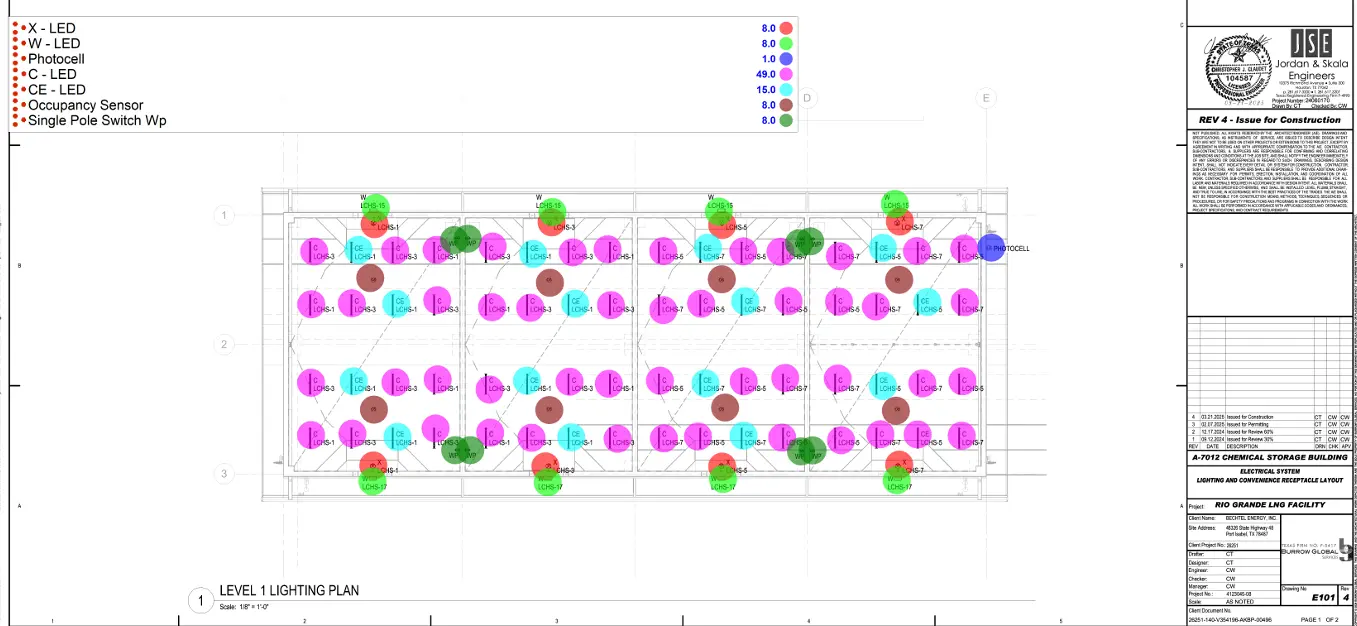
Industrial Warehouse Wiring