Electrical Estimating in Austin, TX
Precise electrical estimates for Austin's booming tech sector and energy-conscious developments.
Electrical Estimating in Austin, TX
Austin's construction market demands sophisticated electrical systems. From high-capacity power distribution in semiconductor facilities to intricate smart-home automation in luxury residences and EV charging stations in multi-family developments, the electrical scope is often the most complex part of an Austin project. Our specialized electrical estimators provide the precision required to bid competitively while protecting your margins.
Austin Electrical Estimating Variables
- Austin Energy Compliance: Working within the City of Austin requires strict adherence to Austin Energy's specific design criteria and interconnection standards.
- EV Charging Infrastructure: Many new developments in Austin mandate EV readiness or installed charging stations, requiring significant conduit runs and panel capacity.
- High-End Lighting Control: Projects frequently feature complex, automated lighting control systems (like Lutron) which require specialized knowledge to estimate accurately.
The Austin Market: What Changes Your Electrical Estimate
Austin Construction Market Overview
Austin's construction market has been supercharged by the tech boom, leading to a surge in commercial office space, high-density residential towers downtown, and luxury custom homes in the Hill Country. The market is characterized by high demand, premium pricing, and a strong emphasis on sustainability and design.
Building in Austin presents unique estimating challenges: building into the rocky limestone of the Hill Country requires specialized excavation; strict environmental regulations protect the local watershed; and traffic congestion affects material delivery and labor productivity.
Austin Permitting & Green Building
The City of Austin Development Services Department is known for having some of the strictest building codes and longest review times in Texas. Austin's Energy Conservation Audit and Disclosure (ECAD) ordinance and the Austin Energy Green Building (AEGB) ratings significantly impact construction costs. Our estimates account for these premium environmental compliance costs, heritage tree protection, and the often-lengthy permitting timeline.
Our Electrical Estimating Process for Austin Projects
Confirm the governing NEC edition for the project's specific Texas city or county.
Calculate demand load per NEC Article 220 to accurately size the electrical service and panels.
Quantification of all circuits, conduit, wire, lighting, and low-voltage systems.
Apply current Texas material pricing and labor units, checking voltage drop on longer runs.
Frequently Asked Questions: Electrical Estimating in Austin
Do you estimate complex lighting control systems?
Yes, we have experience estimating sophisticated, low-voltage lighting control panels, sensors, and programmed dimming systems.
Can you include EV charging infrastructure in the estimate?
Absolutely. We accurately takeoff the required conduit, heavy-gauge wire, and charging stations based on the electrical plans.
How do you know which NEC edition applies to my project?
We confirm the locally adopted edition for the project's city or county before pricing TDLR sets a statewide minimum, but Houston, Dallas, and Austin are examples of cities that have adopted newer editions ahead of that baseline.
Do you estimate low-voltage and security systems, or only power circuits?
Yes, low-voltage rough-in (data, security, controls) is included as its own line item, since it's frequently a different scope or a different sub than power circuits, and priced separately from the power estimate.
Do you estimate rock excavation for Austin Hill Country projects?
Yes. A critical part of any Austin-area estimate is evaluating the geotechnical report. If limestone is present, we calculate specific rock excavation volumes, which carry significantly higher costs than standard soil excavation.
Sample Projects Across Texas
Recent takeoffs and estimates delivered for Texas contractors.
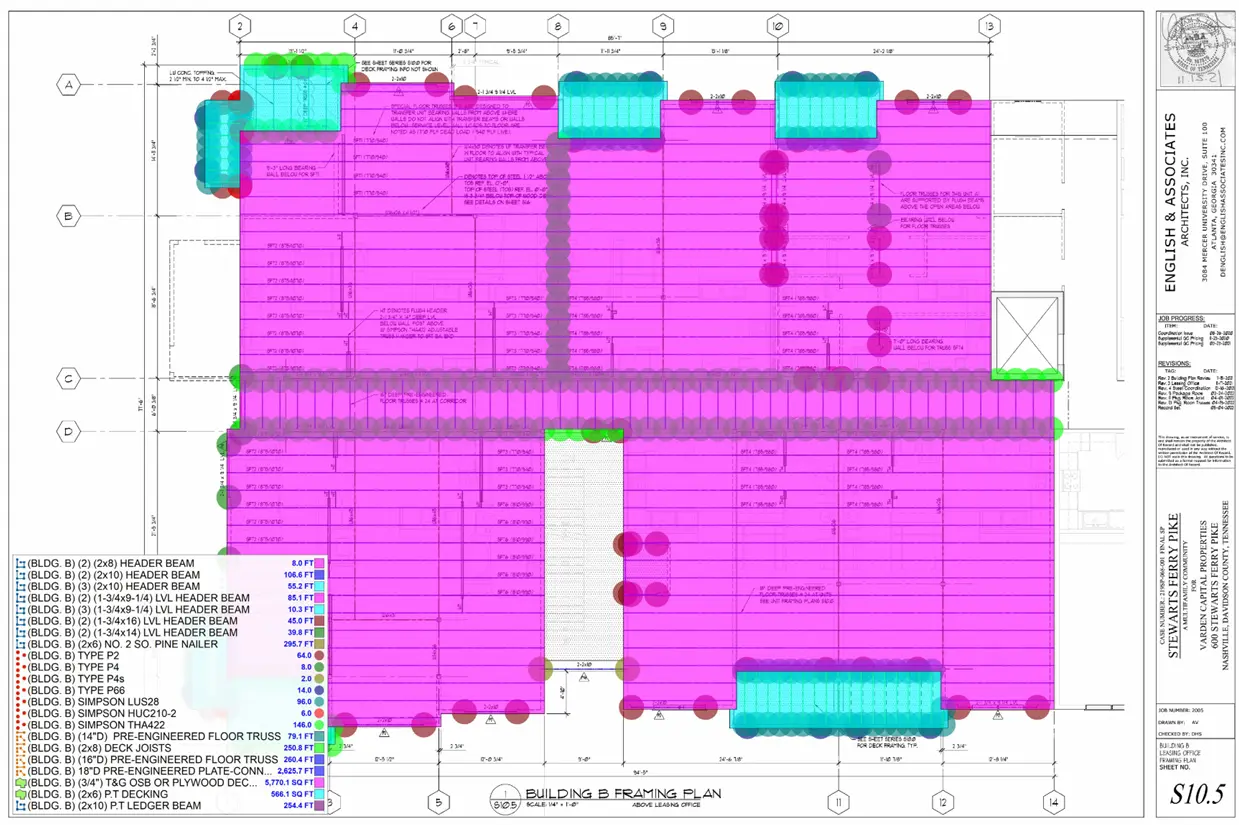
Subdivision Lumber Takeoff
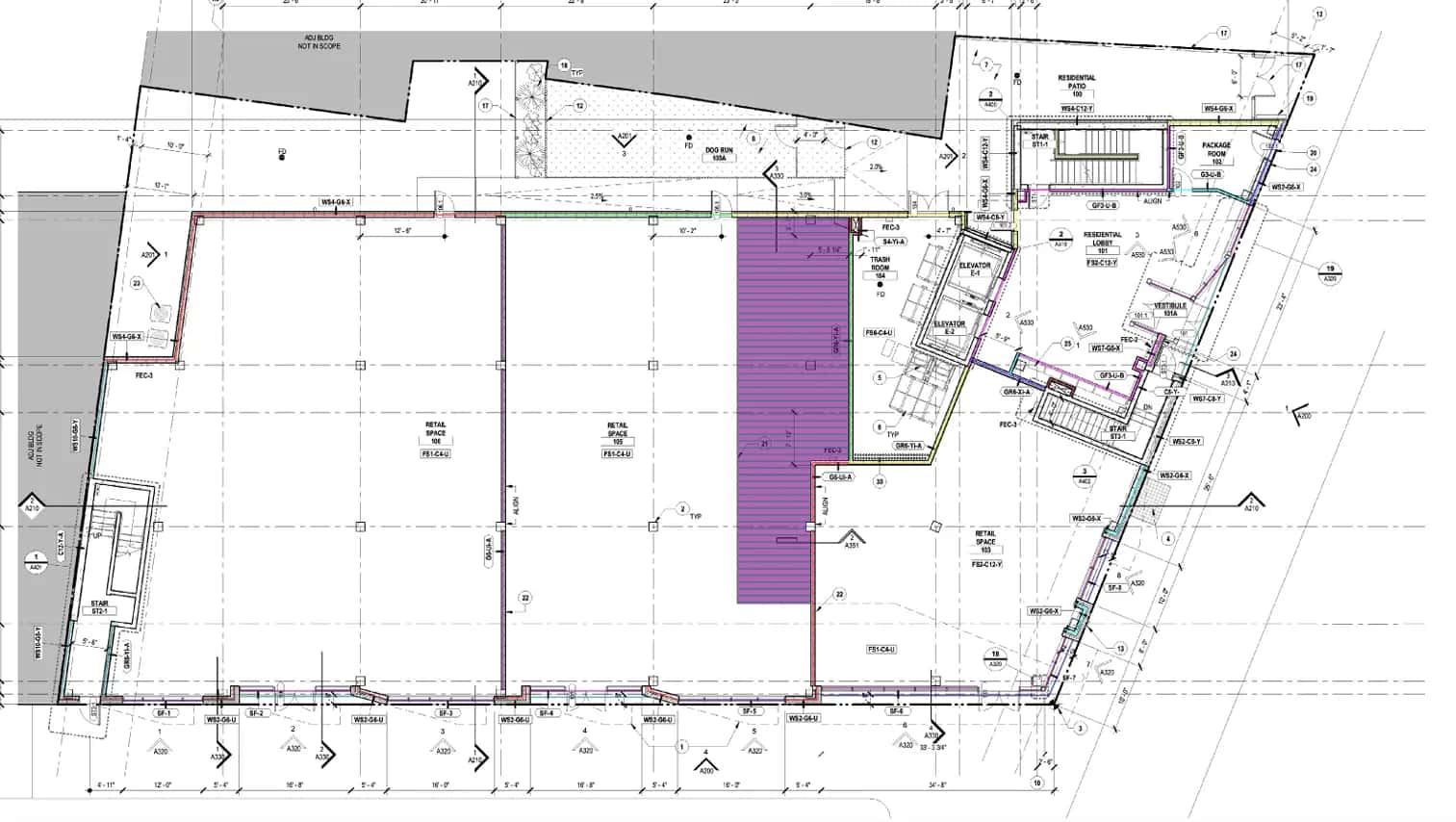
Multi-Family Framing