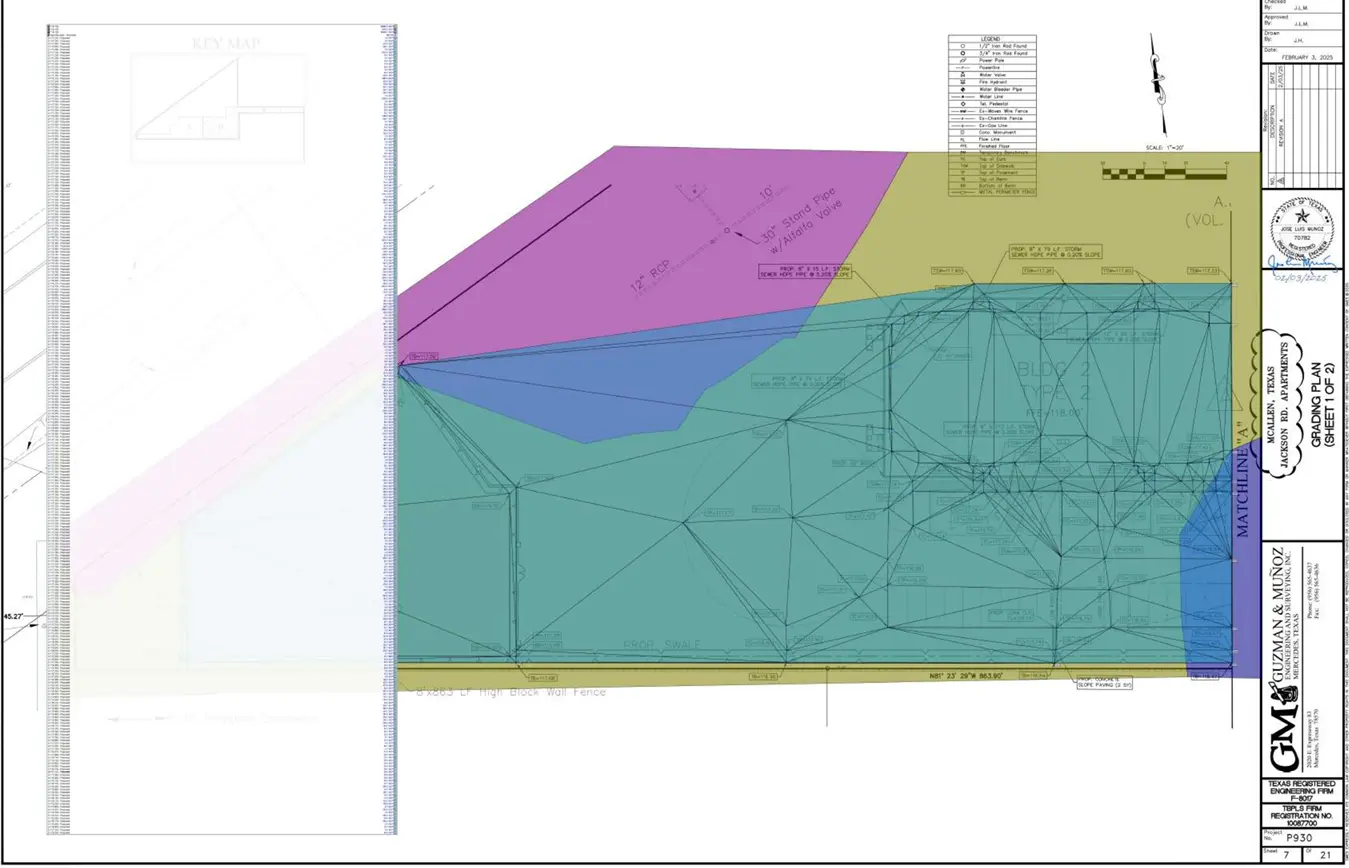
Insulation Estimating in Houston, TX
Houston insulation estimating is driven by vapor control as much as thermal resistance — in a climate where outdoor air carries more moisture than any other major Texas market, improperly specified vapor barriers and incorrectly installed spray foam create moisture problems that defeat the purpose of the insulation system entirely.
Insulation Estimating in Houston, TX
Houston falls in DOE Climate Zone 2A (Hot-Humid) — the most challenging insulation design environment in the continental United States for moisture management. In this climate, vapor drives from outside in for the majority of the year: hot, humid outdoor air is always trying to push moisture into cooler, air-conditioned interior spaces. Standard vapor barrier approaches used in northern climates or even drier southern climates can trap moisture in Houston wall assemblies rather than controlling it, leading to mold and rot in improperly specified systems.
Our insulation estimating services in Houston specify vapor retarders, air barriers, and insulation materials appropriate for Zone 2A conditions — which in many cases means closed-cell spray foam on the interior face of exterior sheathing (creating a flash-and-batt system), unvented attic assemblies with spray foam on the roof deck underside, or other vapor-open assemblies that allow Houston's climate to drive moisture without trapping it.
For commercial projects, Houston's energy code requires higher continuous insulation R-values on commercial buildings than most inland Texas climates — continuous exterior insulation is increasingly specified on commercial walls in Houston to meet code minimums without thermal bridging through steel studs.
Houston-Specific Insulation Cost Drivers
- DOE Zone 2A Hot-Humid compliance: Houston's climate zone drives specific vapor retarder and air barrier requirements not applicable in drier Texas climates — smart vapor retarders, unvented attic systems, and flash-and-batt assemblies are standard specifications.
- Spray foam prevalence: Closed-cell spray foam on exterior sheathing (flash coat) or full roof deck underside is the dominant insulation approach for Houston homes — spray foam material costs are substantially above batt insulation but necessary for moisture performance.
- Continuous exterior insulation: Commercial buildings in Houston increasingly require continuous exterior insulation (rigid foam or mineral wool) per energy code to eliminate thermal bridging through steel framing.
- TWIA considerations: Foam insulation in coastal assemblies must be covered or protected per TWIA requirements — exposed foam does not meet TWIA roofing assembly standards.
- Attic ventilation requirements: Houston's energy code permits both vented and unvented attic assemblies — unvented spray foam attic systems cost more but perform better in high-humidity conditions by keeping HVAC equipment within the thermal envelope.
The Houston Market: What Changes Your Insulation Estimate
Houston Construction Market Overview
As the largest city in Texas and the energy capital of the world, Houston's construction market is massive and diverse. From sprawling suburban residential developments in Cypress and Katy to high-rise commercial towers downtown and massive industrial complexes along the Houston Ship Channel, estimating in Houston requires deep local knowledge.
Our Houston estimates account for critical local factors: expansive "gumbo" clay soils that dictate heavy foundation engineering, Gulf Coast windstorm and hurricane resistance requirements (TWIA), and the unique logistical challenges of building in a sprawling, flood-prone metropolitan area.
Houston & Harris County Permitting
The City of Houston is famous for having no formal zoning laws, but that doesn't mean building is a free-for-all. Deed restrictions act as de facto zoning, and the City of Houston Public Works department enforces strict commercial and residential building codes. Our estimates can include allowances for Harris County floodplain management permits, City of Houston impact fees, and the often-lengthy Houston plan review process.
Our Insulation Estimating Process for Houston Projects
We review the COMcheck/REScheck reports and architectural details to confirm required R-values and assemblies.
Digital measurement of exterior walls, roofs, and exposed floors to calculate thermal insulation areas.
Identifying and measuring interior partitions that require acoustic or fire-safing insulation.
Calculating square footage for batts/board, and board-feet or cubic volumes for spray foam.
Frequently Asked Questions: Insulation Estimating in Houston
Why is spray foam insulation standard in Houston but not as common in Dallas or San Antonio?
Houston's Hot-Humid climate zone drives the use of spray foam — specifically closed-cell foam on the interior face of exterior sheathing — because it creates an air and vapor barrier that prevents outdoor moisture from being driven into wall assemblies by Houston's summer vapor pressure. Standard batt insulation without proper air and vapor control fails to prevent mold in Houston wall cavities. Dallas and San Antonio are in different climate zones with different vapor drive directions and less severe moisture challenges.
What insulation R-values does Houston commercial code require?
Houston commercial construction follows the Texas Energy Code (which adopts ASHRAE 90.1 for commercial). Zone 2A requirements for commercial walls depend on assembly type — mass walls, metal frame walls, and steel frame walls have different prescriptive requirements, with continuous exterior insulation increasingly required to meet code without the thermal bridging from metal framing that defeats R-value performance in cavity-only insulation systems.
Does insulation placement matter differently in Houston versus Dallas?
Yes, significantly. In Houston's Hot-Humid climate, the vapor drive is primarily from outside in — moisture wants to move from hot, humid outdoor air into cool, air-conditioned interior spaces. This means vapor control goes on the exterior side of the insulation, not the interior (warm-in-winter) side as in northern climates. Applying northern climate vapor barrier logic to Houston assemblies can trap moisture in wall cavities and create mold conditions.
How do you estimate spray foam?
Spray foam is estimated by volume, typically measured in "board feet" (1 square foot at 1 inch thick). We calculate the total square footage of the area and multiply by the specified thickness to determine the total board feet required, which dictates the number of chemical sets needed.
Do you include air and weather barriers?
Yes. Unless specified otherwise, our building envelope estimates include the specified weather resistant barrier (Tyvek, fluid-applied membranes) and required flashing tapes/sealants.
Do your Houston estimates account for hurricane requirements?
Yes. For projects in Houston and Harris County, we estimate the required wind-rated assemblies, impact-resistant glazing, and enhanced structural tie-downs required by Gulf Coast building codes and the Texas Windstorm Insurance Association (TWIA).
Sample Projects Across Texas
Recent takeoffs and estimates delivered for Texas contractors.
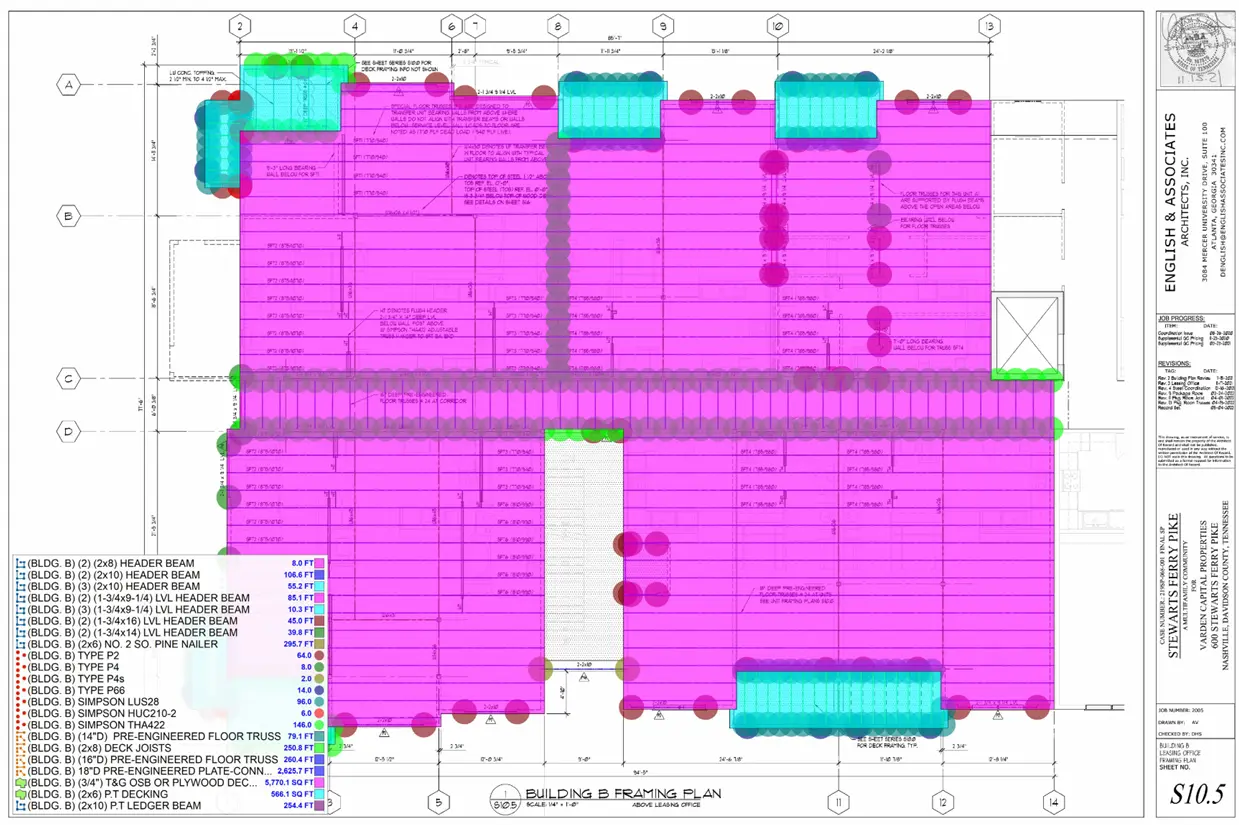
Subdivision Lumber Takeoff
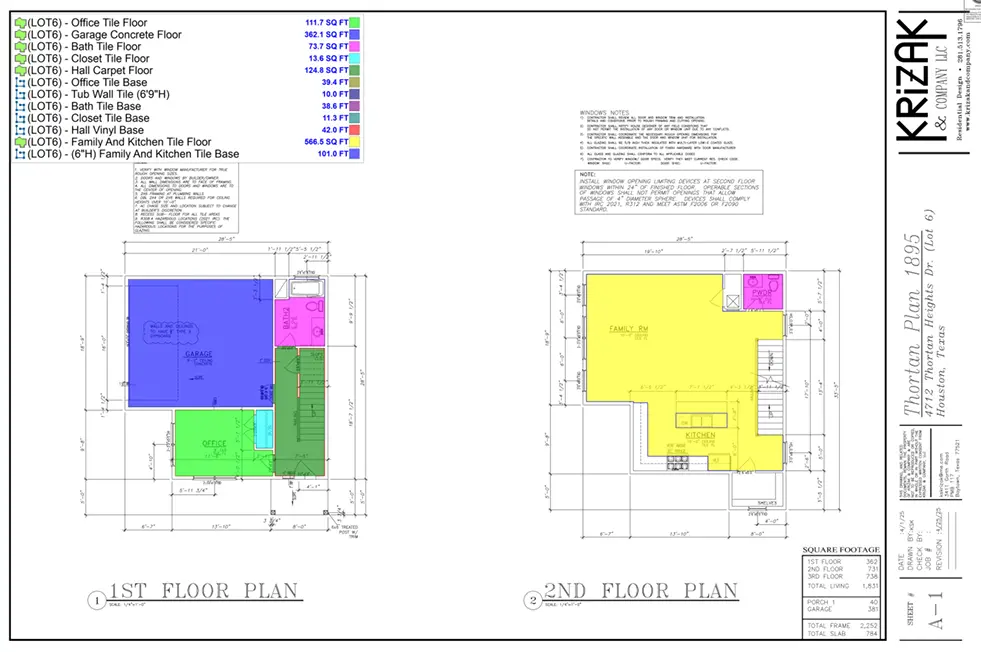
Commercial Flooring Project