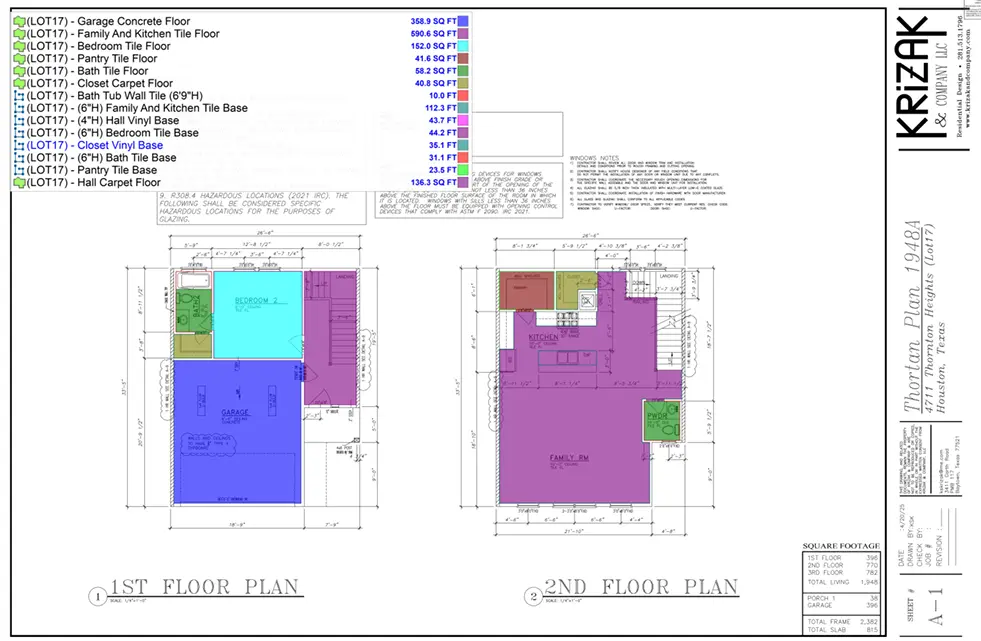
Mechanical Estimating in Houston, TX
Houston's HVAC estimating is driven by an 8-month cooling season, 74% average relative humidity, and DOE South Region energy codes that push mechanical systems to perform harder than anywhere else in Texas — and the estimates that get this wrong leave contractors holding the difference.
HVAC & Mechanical Estimating in Houston, TX
No other major Texas market puts more demand on HVAC systems than Houston. An 8-plus-month cooling season, average relative humidity above 70%, and Gulf Coast heat gain combine to produce cooling loads that are substantially larger per square foot than Dallas, Austin, or San Antonio projects of identical occupancy type. Our mechanical estimating services in Houston price systems sized to actual Houston load conditions — not a generic Texas multiplier.
Houston falls under the DOE Climate Zone 2A (Hot-Humid), which triggers the most stringent residential and commercial HVAC efficiency requirements in ASHRAE 90.1 and the Texas Energy Code. Minimum SEER ratings, enhanced dehumidification requirements, and ventilation standards for high-humidity climates all affect equipment selection and cost in ways that a standard mechanical takeoff won't capture.
For commercial and industrial projects, the Medical Center — the world's largest medical complex — represents a significant portion of Houston's institutional mechanical market. Medical-grade HVAC with pressure relationships, HEPA filtration, precise humidity control, and redundant systems for critical care environments requires specialized estimating that goes well beyond standard commercial mechanical scope.
Houston-Specific HVAC Cost Drivers
- DOE Zone 2A Hot-Humid compliance: The strictest ASHRAE 90.1 efficiency tier applies to Houston — minimum equipment efficiency and dehumidification requirements are not optional and affect equipment cost significantly.
- Extended cooling season load: Houston projects carry cooling loads for 8+ months per year versus 5-6 months in Dallas. Larger equipment, more refrigerant, and more wear on components all affect lifecycle and first-cost estimates.
- Humidity control systems: Dedicated dehumidification, energy recovery ventilators, and moisture control in building envelopes are functional requirements in Houston — not luxury upgrades.
- Entergy Texas utility rates: Entergy's rate structure affects HVAC system selection for energy-optimized commercial projects.
- Medical Center specialty scope: Healthcare HVAC with isolation rooms, precise pressure relationships, and redundancy requirements carries significant premium over standard commercial mechanical.
The Houston Market: What Changes Your Mechanical Estimate
Houston Construction Market Overview
As the largest city in Texas and the energy capital of the world, Houston's construction market is massive and diverse. From sprawling suburban residential developments in Cypress and Katy to high-rise commercial towers downtown and massive industrial complexes along the Houston Ship Channel, estimating in Houston requires deep local knowledge.
Our Houston estimates account for critical local factors: expansive "gumbo" clay soils that dictate heavy foundation engineering, Gulf Coast windstorm and hurricane resistance requirements (TWIA), and the unique logistical challenges of building in a sprawling, flood-prone metropolitan area.
Houston & Harris County Permitting
The City of Houston is famous for having no formal zoning laws, but that doesn't mean building is a free-for-all. Deed restrictions act as de facto zoning, and the City of Houston Public Works department enforces strict commercial and residential building codes. Our estimates can include allowances for Harris County floodplain management permits, City of Houston impact fees, and the often-lengthy Houston plan review process.
Our Mechanical Estimating Process for Houston Projects
Run Manual J or ASHRAE load calculations to determine actual cooling and heating demand.
Select and price equipment meeting DOE South Region minimums based on the load calculation.
Digital measurement of all supply, return, and exhaust ductwork, calculated by material and insulation.
Apply current material costs and MCA/SMACNA labor rates adjusted for Texas installation conditions.
Frequently Asked Questions: Mechanical Estimating in Houston
Why are HVAC estimates higher in Houston than other Texas cities?
Houston's Hot-Humid DOE Zone 2A drives larger equipment, more refrigerant, dedicated dehumidification, and higher-efficiency systems than are required in drier Texas climates. An 8-month cooling season also means more run time, larger compressors, and more wear per year than comparable Dallas or Austin installations. These are structural differences in the mechanical system, not pricing inflation.
What's different about HVAC estimating for the Texas Medical Center?
Medical HVAC requires pressure relationship engineering between rooms (positive/negative pressure), HEPA filtration, precise humidity control (typically 30-60% RH in care areas), and redundant systems for critical environments. These requirements add substantial scope — medical HVAC typically costs 2-3x the per-square-foot cost of standard commercial systems.
Do Houston HVAC estimates need to account for hurricane tie-downs?
Yes for rooftop units in TWIA territory. Rooftop mechanical equipment in coastal Houston must be engineered for wind uplift and secured to structural curbs per TWIA requirements. Equipment curb selection, anchor bolt patterns, and hurricane tie-downs are part of the HVAC scope that changes the cost in coastal markets.
Does mechanical estimating include ductwork, or just equipment?
Both ductwork is sized and priced as its own line item based on the duct design (Manual D for residential, engineered design for commercial), not bundled into a flat equipment price.
Why does Texas have a higher minimum SEER2 requirement than some other states?
Texas falls in the DOE's South Region, which the federal government classifies with a higher cooling-efficiency minimum than northern states due to regional cooling load. That minimum applies statewide and directly affects equipment cost in every Texas mechanical estimate.
Do your Houston estimates account for hurricane requirements?
Yes. For projects in Houston and Harris County, we estimate the required wind-rated assemblies, impact-resistant glazing, and enhanced structural tie-downs required by Gulf Coast building codes and the Texas Windstorm Insurance Association (TWIA).
Sample Projects Across Texas
Recent takeoffs and estimates delivered for Texas contractors.
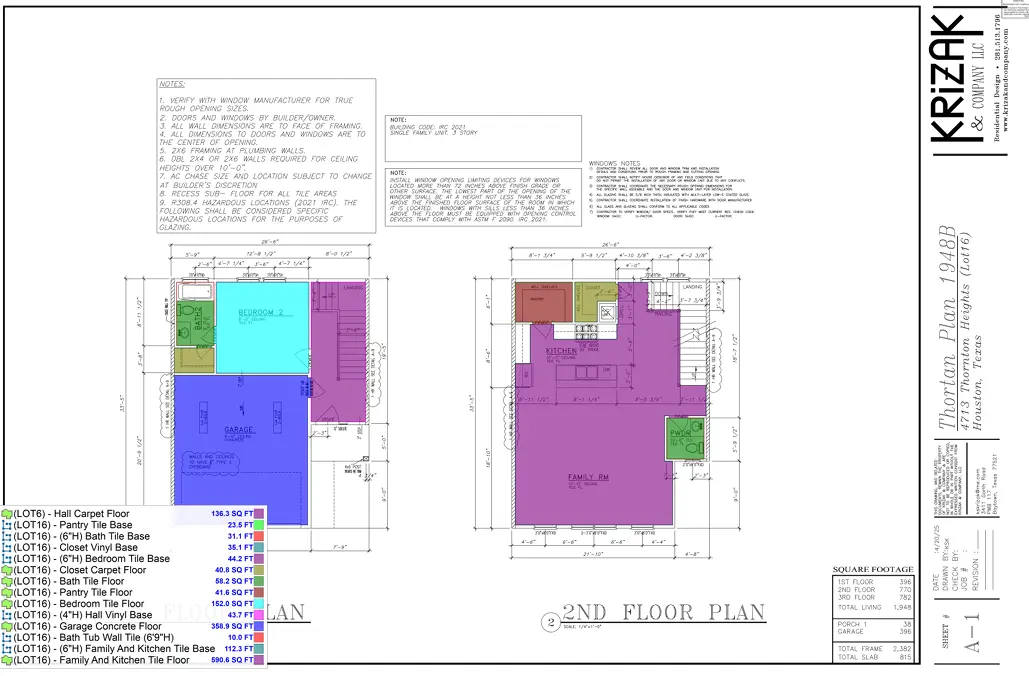
Office Building Flooring Project
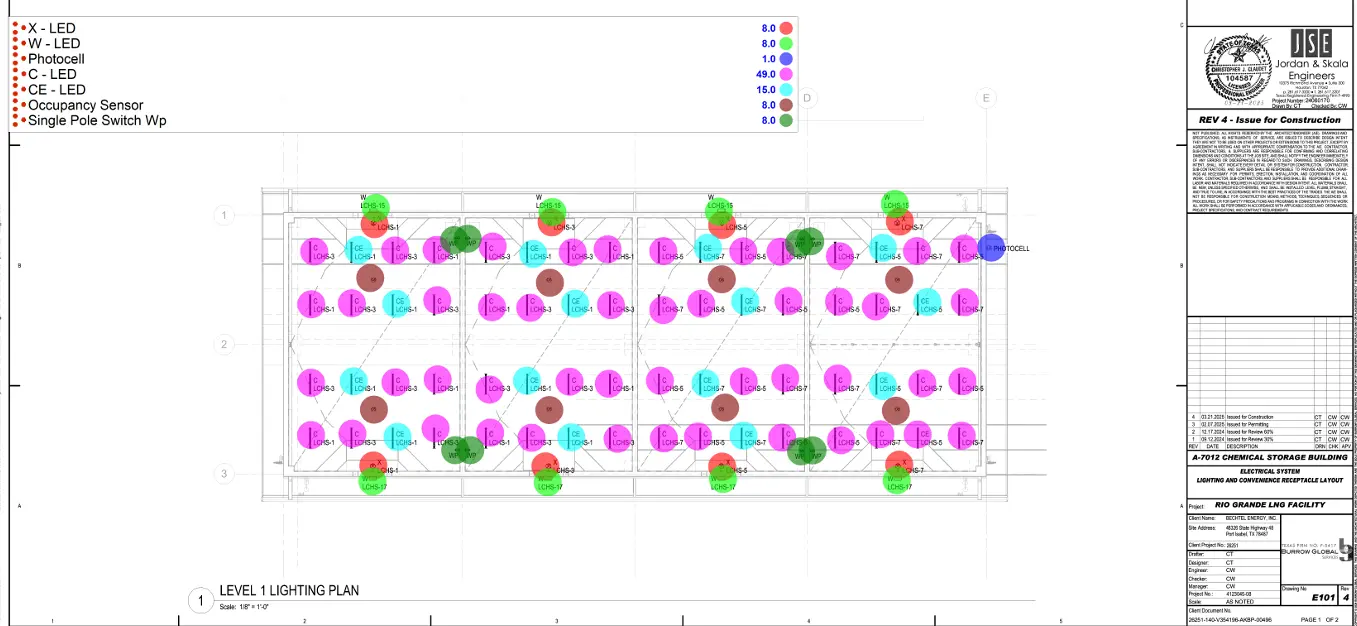
Industrial Warehouse Wiring